
AlphaFold predicted structure
IVD · P26440
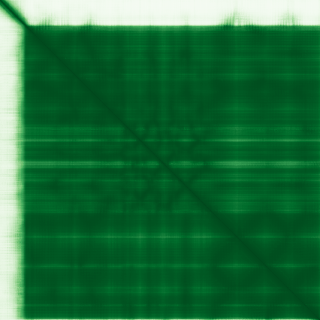
Mean pLDDT
93.4/ 100
Very high
426 residues
Confidence breakdown
- Very high(≥ 90)91%
- Confident(70–90)1%
- Low(50–70)1%
- Very low(< 50)8%
Open interactive 3D viewer
AlphaFold (Jumper et al., 2021) · CC BY 4.0
isovaleryl-CoA dehydrogenase
Annotations refreshed 2 months ago.
Diagnostic Grade (Green)
DDG2P
BIALLELIC, autosomal or pseudoautosomalDiagnostic testing for Isovaleric acidaemia
BIALLELIC, autosomal or pseudoautosomalHyperammonaemia
BIALLELIC, autosomal or pseudoautosomalIntellectual disability
BIALLELIC, autosomal or pseudoautosomalKetotic hypoglycaemia
BIALLELIC, autosomal or pseudoautosomalLikely inborn error of metabolism
BIALLELIC, autosomal or pseudoautosomalStructural basal ganglia disorders
BIALLELIC, autosomal or pseudoautosomalUndiagnosed metabolic disorders
BIALLELIC, autosomal or pseudoautosomal+3 more panels — install the extension to see the full list inline on any page.
isovaleric acidemia
hereditary disease
idiopathic pulmonary fibrosis
interstitial lung disease
Intellectual disability
postinflammatory pulmonary fibrosis
retinitis pigmentosa
atrial fibrillation
early-onset non-syndromic cataract
Posterior polar cataract
Score is the Open Targets composite evidence score (0-1). Higher = stronger gene-disease association.
Isovaleryl-CoA dehydrogenase, mitochondrial
A mitochondrial matrix enzyme that catalyzes the third step in leucine catabolism, where isovaleryl-CoA (3-methylbutanoyl-CoA) is metabolized to 3-methylbut-2-enoyl-CoA (PubMed:7640268). To a lesser extent, it also participates in the first step in fatty acid beta-oxidation, in which it catalyzes the proR-proR stereospecific alpha,beta-dehydrogenation of other saturated short-chain acyl-CoA thioesters such as pentanoyl-CoA, hexanoyl-CoA and butanoyl-CoA, using the electron transfer flavoprotein (ETF) as their physiologic electron acceptor(PubMed:7640268)
IVD · P26440
Mean pLDDT
93.4/ 100
Very high
426 residues
Confidence breakdown
AlphaFold (Jumper et al., 2021) · CC BY 4.0