Skip to content
GenoLensGenoLens

IVNS1ABP

Chr 1q25.3

influenza virus NS1A binding protein

Aliases:
NS1-BP, HSPC068, NS-1, KIAA0850, ND1
MANE:
ENST00000367498.8

Annotations refreshed 9 hours ago.

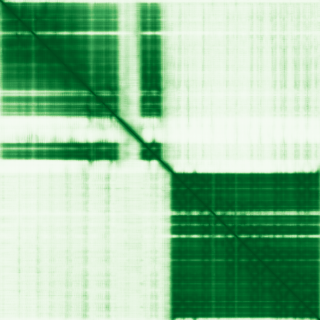
Predicted protein structure

Clinical relevance (Genomics England PanelApp)

Moderate Evidence (Amber)

  • COVID-19 research

    Unknown
  • Primary immunodeficiency or monogenic inflammatory bowel disease

    MONOALLELIC, autosomal or pseudoautosomal, imprinted status unknown

Disease associations (Open Targets)

  • immunodeficiency 70

    0.53
  • neurodegenerative disease

    0.42
  • placental retention

    0.31
  • nervous system benign neoplasm

    0.24
  • response to antihypertensive drug

    0.22
  • late-onset Alzheimers disease

    0.21
  • dislocation

    0.21
  • vertebral column disorder

    0.20
  • femur fracture

    0.18
  • chronic kidney disease

    0.17

Score is the Open Targets composite evidence score (0-1). Higher = stronger gene-disease association.

Protein function (UniProt)

Influenza virus NS1A-binding protein

Involved in many cell functions, including pre-mRNA splicing, the aryl hydrocarbon receptor (AHR) pathway, F-actin organization and protein ubiquitination. Plays a role in the dynamic organization of the actin skeleton as a stabilizer of actin filaments by association with F-actin through Kelch repeats (By similarity). Protects cells from cell death induced by actin destabilization (By similarity). Functions as modifier of the AHR/Aryl hydrocarbon receptor pathway increasing the concentration of AHR available to activate transcription (PubMed:16582008). In addition, functions as a negative regulator of BCR(KLHL20) E3 ubiquitin ligase complex to prevent ubiquitin-mediated proteolysis of PML and DAPK1, two tumor suppressors (PubMed:25619834). Inhibits pre-mRNA splicing (in vitro) (PubMed:9696811). May play a role in mRNA nuclear export (PubMed:30538201)

Data sources: HGNC (CC BY 4.0), AlphaFold (CC BY 4.0, Jumper et al. Nature 2021), Genomics England PanelApp (CC BY 4.0), ClinGen, Open Targets (CC0), UniProt.

Not for sole clinical decision-making. Always verify against primary sources.