
AlphaFold predicted structure
JPH1 · Q9HDC5
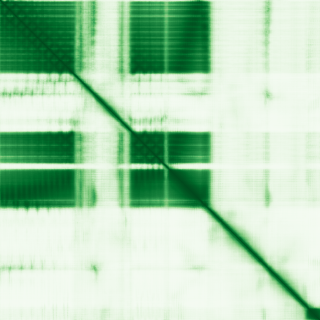
Mean pLDDT
65.4/ 100
Low
661 residues
Confidence breakdown
- Very high(≥ 90)39%
- Confident(70–90)10%
- Low(50–70)5%
- Very low(< 50)47%
Open interactive 3D viewer
AlphaFold (Jumper et al., 2021) · CC BY 4.0
junctophilin 1
Annotations refreshed 2 months ago.
Diagnostic Grade (Green)
DDG2P
BIALLELIC, autosomal or pseudoautosomalClefting
BIALLELIC, autosomal or pseudoautosomalCongenital myopathy
BIALLELIC, autosomal or pseudoautosomalFetal anomalies
BIALLELIC, autosomal or pseudoautosomalSkeletal dysplasia
BIALLELIC, autosomal or pseudoautosomalcongenital myopathy 25
type 2 diabetes mellitus
congenital myopathy
Abnormality of the skeletal system
COVID-19
Barrett esophagus
lower urinary tract calculus
phobic disorder
Charcot-Marie-Tooth disease axonal type 2K
femoral neck fracture
Score is the Open Targets composite evidence score (0-1). Higher = stronger gene-disease association.
Junctophilin-1
Junctophilins contribute to the formation of junctional membrane complexes (JMCs) which link the plasma membrane with the endoplasmic or sarcoplasmic reticulum in excitable cells. Provides a structural foundation for functional cross-talk between the cell surface and intracellular calcium release channels. JPH1 contributes to the construction of the skeletal muscle triad by linking the t-tubule (transverse-tubule) and SR (sarcoplasmic reticulum) membranes
JPH1 · Q9HDC5
Mean pLDDT
65.4/ 100
Low
661 residues
Confidence breakdown
AlphaFold (Jumper et al., 2021) · CC BY 4.0