
AlphaFold predicted structure
JUP · P14923
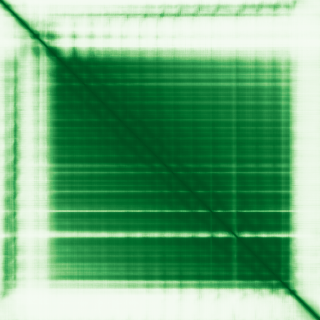
Mean pLDDT
81.1/ 100
Confident
745 residues
Confidence breakdown
- Very high(≥ 90)64%
- Confident(70–90)11%
- Low(50–70)5%
- Very low(< 50)21%
Open interactive 3D viewer
AlphaFold (Jumper et al., 2021) · CC BY 4.0
junction plakoglobin
Annotations refreshed 3 months ago.
Diagnostic Grade (Green)
Arrhythmogenic right ventricular cardiomyopathy
BOTH monoallelic and biallelic, autosomal or pseudoautosomalDilated and arrhythmogenic cardiomyopathy
BOTH monoallelic and biallelic, autosomal or pseudoautosomalEpidermolysis bullosa
BIALLELIC, autosomal or pseudoautosomalEpidermolysis bullosa and congenital skin fragility
BIALLELIC, autosomal or pseudoautosomalIchthyosis and erythrokeratoderma
BIALLELIC, autosomal or pseudoautosomalPaediatric or syndromic cardiomyopathy
BOTH monoallelic and biallelic, autosomal or pseudoautosomalPalmoplantar keratoderma and erythrokeratodermas
BIALLELIC, autosomal or pseudoautosomalPalmoplantar keratodermas
BIALLELIC, autosomal or pseudoautosomal+3 more panels — install the extension to see the full list inline on any page.
Naxos disease
arrhythmogenic right ventricular dysplasia 12
Arrhythmogenic right ventricular dysplasia
lethal acantholytic epidermolysis bullosa
familial isolated arrhythmogenic ventricular dysplasia, left dominant form
wooly hair-palmoplantar keratoderma syndrome
familial isolated arrhythmogenic ventricular dysplasia, biventricular form
familial isolated arrhythmogenic ventricular dysplasia, right dominant form
dilated cardiomyopathy
cardiomyopathy
Score is the Open Targets composite evidence score (0-1). Higher = stronger gene-disease association.
Junction plakoglobin
Common junctional plaque protein. The membrane-associated plaques are architectural elements in an important strategic position to influence the arrangement and function of both the cytoskeleton and the cells within the tissue. The presence of plakoglobin in both the desmosomes and in the intermediate junctions suggests that it plays a central role in the structure and function of submembranous plaques. Acts as a substrate for VE-PTP and is required by it to stimulate VE-cadherin function in endothelial cells. Can replace beta-catenin in E-cadherin/catenin adhesion complexes which are proposed to couple cadherins to the actin cytoskeleton (By similarity). May promote axon outgrowth and motor fiber repair via DSP-mediated recruitment to outgrowth tips (By similarity)
JUP · P14923
Mean pLDDT
81.1/ 100
Confident
745 residues
Confidence breakdown
AlphaFold (Jumper et al., 2021) · CC BY 4.0