Skip to content
GenoLensGenoLens

KCNMA1

Chr 10q22.3

potassium calcium-activated channel subfamily M alpha 1

Aliases:
KCa1.1, mSLO1
MANE:
ENST00000286628.14

Annotations refreshed 10 hours ago.

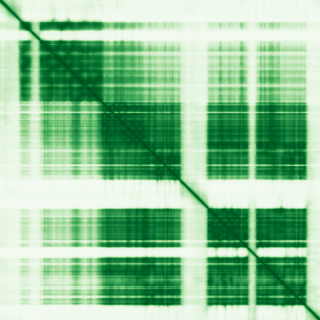
Predicted protein structure

Clinical relevance (Genomics England PanelApp)

Diagnostic Grade (Green)

  • Brain channelopathy

    BOTH monoallelic and biallelic, autosomal or pseudoautosomal
  • Childhood onset dystonia, chorea or related movement disorder

    BOTH monoallelic and biallelic, autosomal or pseudoautosomal
  • DDG2P

    BOTH monoallelic and biallelic, autosomal or pseudoautosomal
  • Early onset or syndromic epilepsy

    BOTH monoallelic and biallelic, autosomal or pseudoautosomal
  • Intellectual disability

    BOTH monoallelic and biallelic, autosomal or pseudoautosomal
  • Paroxysmal central nervous system disorders

    BOTH monoallelic and biallelic, autosomal or pseudoautosomal
  • Monogenic hearing loss

    MONOALLELIC, autosomal or pseudoautosomal, imprinted status unknown

Disease associations (Open Targets)

  • Generalized epilepsy - paroxysmal dyskinesia

    0.83
  • generalized epilepsy-paroxysmal dyskinesia syndrome

    0.81
  • Liang-Wang syndrome

    0.73
  • cerebellar atrophy, developmental delay, and seizures

    0.71
  • idiopathic generalized epilepsy

    0.60
  • hereditary disease

    0.50
  • myopia

    0.42
  • osteoarthritis, hip

    0.38
  • refractive error

    0.35
  • injury

    0.33

Score is the Open Targets composite evidence score (0-1). Higher = stronger gene-disease association.

Protein function (UniProt)

Calcium-activated potassium channel subunit alpha-1

Potassium channel activated by both membrane depolarization or increase in cytosolic Ca(2+) that mediates export of K(+) (PubMed:14523450, PubMed:29330545, PubMed:31152168). It is also activated by the concentration of cytosolic Mg(2+). Its activation dampens the excitatory events that elevate the cytosolic Ca(2+) concentration and/or depolarize the cell membrane. It therefore contributes to repolarization of the membrane potential. Plays a key role in controlling excitability in a number of systems, such as regulation of the contraction of smooth muscle, the tuning of hair cells in the cochlea, regulation of transmitter release, and innate immunity. In smooth muscles, its activation by high level of Ca(2+), caused by ryanodine receptors in the sarcoplasmic reticulum, regulates the membrane potential. In cochlea cells, its number and kinetic properties partly determine the characteristic frequency of each hair cell and thereby helps to establish a tonotopic map. Kinetics of KCNMA1 channels are determined by alternative splicing, phosphorylation status and its combination with modulating beta subunits. Highly sensitive to both iberiotoxin (IbTx) and charybdotoxin (CTX). Possibly induces sleep when activated by melatonin and through melatonin receptor MTNR1A-dependent dissociation of G-beta and G-gamma subunits, leading to increased sensitivity to Ca(2+) and reduced synaptic transmission (PubMed:32958651)

Data sources: HGNC (CC BY 4.0), AlphaFold (CC BY 4.0, Jumper et al. Nature 2021), Genomics England PanelApp (CC BY 4.0), ClinGen, Open Targets (CC0), UniProt.

Not for sole clinical decision-making. Always verify against primary sources.