AlphaFold predicted structure
KIF26A · Q9ULI4
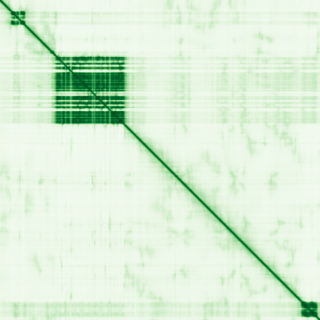
Mean pLDDT
47.1/ 100
Very low
1,882 residues
Confidence breakdown
- Very high(≥ 90)11%
- Confident(70–90)12%
- Low(50–70)6%
- Very low(< 50)72%
AlphaFold (Jumper et al., 2021) · CC BY 4.0
kinesin family member 26A
Annotations refreshed 1 month ago.
Diagnostic Grade (Green)
Fetal anomalies
BIALLELIC, autosomal or pseudoautosomalHydrocephalus
BIALLELIC, autosomal or pseudoautosomalIntellectual disability
BIALLELIC, autosomal or pseudoautosomalMalformations of cortical development
BIALLELIC, autosomal or pseudoautosomalPaediatric pseudo-obstruction syndrome
BIALLELIC, autosomal or pseudoautosomalcortical dysplasia, complex, with other brain malformations 11
smoking initiation
smoking cessation
complex cortical dysplasia with other brain malformations
diabetes mellitus
stricture
nicotine dependence
mental disorder
type 2 diabetes mellitus
male reproductive organ cancer
Score is the Open Targets composite evidence score (0-1). Higher = stronger gene-disease association.
Kinesin-like protein KIF26A
Atypical kinesin that plays a key role in enteric neuron development. Acts by repressing a cell growth signaling pathway in the enteric nervous system development, possibly via its interaction with GRB2 that prevents GRB2-binding to SHC, thereby attenating the GDNF-Ret signaling (By similarity). Binds to microtubules but lacks microtubule-based motility due to the absence of ATPase activity (By similarity). Plays a critical role in cerebral cortical development. It probably acts as a microtubule stabilizer that regulates neurite growth and radial migration of cortical excitatory neurons (PubMed:36228617)
KIF26A · Q9ULI4

Mean pLDDT
47.1/ 100
Very low
1,882 residues
Confidence breakdown
AlphaFold (Jumper et al., 2021) · CC BY 4.0