
AlphaFold predicted structure
KPTN · Q9Y664
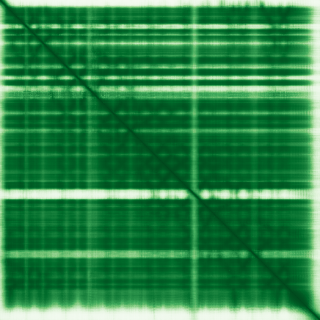
Mean pLDDT
88.9/ 100
Confident
436 residues
Confidence breakdown
- Very high(≥ 90)72%
- Confident(70–90)19%
- Low(50–70)3%
- Very low(< 50)6%
Open interactive 3D viewer
AlphaFold (Jumper et al., 2021) · CC BY 4.0
kaptin, actin binding protein
Annotations refreshed 2 months ago.
Diagnostic Grade (Green)
DDG2P
BIALLELIC, autosomal or pseudoautosomalEarly onset or syndromic epilepsy
BIALLELIC, autosomal or pseudoautosomalIntellectual disability
BIALLELIC, autosomal or pseudoautosomalFetal anomalies
BIALLELIC, autosomal or pseudoautosomalRare syndromic craniosynostosis or isolated multisuture synostosis
BIALLELIC, autosomal or pseudoautosomalmacrocephaly-developmental delay syndrome
hereditary disease
complex neurodevelopmental disorder
brain aneurysm
craniosynostosis
Megalencephaly - polymicrogyria - postaxial polydactyly - hydrocephalus
obesity due to melanocortin 4 receptor deficiency
Genetic central nervous system malformation
autosomal recessive primary microcephaly
megalencephalic leukoencephalopathy with subcortical cysts
Score is the Open Targets composite evidence score (0-1). Higher = stronger gene-disease association.
KICSTOR complex protein kaptin
As part of the KICSTOR complex functions in the amino acid-sensing branch of the TORC1 signaling pathway. Recruits, in an amino acid-independent manner, the GATOR1 complex to the lysosomal membranes and allows its interaction with GATOR2 and the RAG GTPases. Functions upstream of the RAG GTPases and is required to negatively regulate mTORC1 signaling in absence of amino acids. In absence of the KICSTOR complex mTORC1 is constitutively localized to the lysosome and activated. The KICSTOR complex is also probably involved in the regulation of mTORC1 by glucose
KPTN · Q9Y664
Mean pLDDT
88.9/ 100
Confident
436 residues
Confidence breakdown
AlphaFold (Jumper et al., 2021) · CC BY 4.0