
AlphaFold predicted structure
KRT5 · P13647
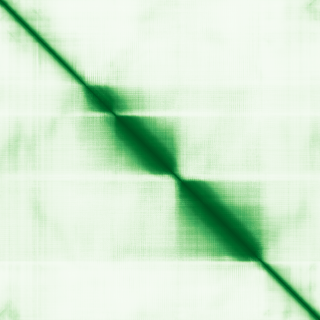
Mean pLDDT
65.4/ 100
Low
590 residues
Confidence breakdown
- Very high(≥ 90)40%
- Confident(70–90)10%
- Low(50–70)5%
- Very low(< 50)45%
Open interactive 3D viewer
AlphaFold (Jumper et al., 2021) · CC BY 4.0
keratin 5
Annotations refreshed 3 months ago.
Diagnostic Grade (Green)
Epidermolysis bullosa
MONOALLELIC, autosomal or pseudoautosomal, imprinted status unknownEpidermolysis bullosa and congenital skin fragility
MONOALLELIC, autosomal or pseudoautosomal, imprinted status unknownPigmentary skin disorders
MONOALLELIC, autosomal or pseudoautosomal, NOT imprintedepidermolysis bullosa simplex 2C, localized
epidermolysis bullosa simplex 2A, generalized severe
epidermolysis bullosa simplex 2B, generalized intermediate
Dowling-Degos disease 1
Epidermolysis bullosa simplex with mottled pigmentation
Epidermolysis bullosa simplex, Dowling-Meara type
Localized epidermolysis bullosa simplex
epidermolysis bullosa simplex 2d, generalized, intermediate or severe, autosomal recessive
epidermolysis bullosa simplex
Dowling-Degos disease
Score is the Open Targets composite evidence score (0-1). Higher = stronger gene-disease association.
Keratin, type II cytoskeletal 5
Structural component of intermediate filaments in basal keratinocytes of stratified epithelia. Together with its obligate type I partner KRT14, contributes to the formation of the keratin intermediate filament network that provides mechanical stability and resilience to the basal layer of the epidermis (PubMed:1372711, PubMed:1694855). Regulates the recruitment of Langerhans cells to the epidermis, potentially by modulation of the abundance of macrophage chemotactic cytokines, macrophage inflammatory cytokines and CTNND1 localization in keratinocytes (By similarity)
Curated MONDO disease pages that list KRT5 among their top associated genes.
KRT5 · P13647
Mean pLDDT
65.4/ 100
Low
590 residues
Confidence breakdown
AlphaFold (Jumper et al., 2021) · CC BY 4.0