
AlphaFold predicted structure
LGI1 · O95970
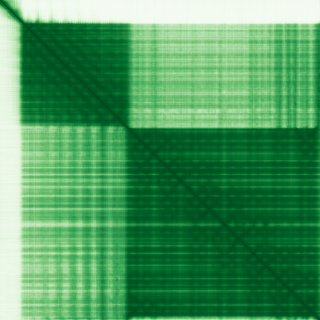
Mean pLDDT
92.6/ 100
Very high
557 residues
Confidence breakdown
- Very high(≥ 90)88%
- Confident(70–90)4%
- Low(50–70)2%
- Very low(< 50)5%
Open interactive 3D viewer
AlphaFold (Jumper et al., 2021) · CC BY 4.0
leucine rich glioma inactivated 1
Annotations refreshed 3 months ago.
Diagnostic Grade (Green)
Early onset or syndromic epilepsy
BOTH monoallelic and biallelic (but BIALLELIC mutations cause a more SEVERE disease form), autosomal or pseudoautosomalIntellectual disability
BIALLELIC, autosomal or pseudoautosomalDDG2P
MONOALLELIC, autosomal or pseudoautosomal, imprinted status unknownautosomal dominant epilepsy with auditory features
Seizure
hereditary disease
epilepsy with auditory features
developmental and epileptic encephalopathy
genitopatellar syndrome
respiratory system disorder
exostosis
subarachnoid hemorrhage
viral encephalitis
Score is the Open Targets composite evidence score (0-1). Higher = stronger gene-disease association.
Leucine-rich glioma-inactivated protein 1
Regulates voltage-gated potassium channels assembled from KCNA1, KCNA4 and KCNAB1. It slows down channel inactivation by precluding channel closure mediated by the KCNAB1 subunit. Ligand for ADAM22 that positively regulates synaptic transmission mediated by AMPA-type glutamate receptors (By similarity). Plays a role in suppressing the production of MMP1/3 through the phosphatidylinositol 3-kinase/ERK pathway (PubMed:15047712)
LGI1 · O95970
Mean pLDDT
92.6/ 100
Very high
557 residues
Confidence breakdown
AlphaFold (Jumper et al., 2021) · CC BY 4.0