Skip to content
GenoLensGenoLens

LHFPL5

Chr 6p21.31

LHFPL tetraspan subfamily member 5

Aliases:
MGC33835, dJ510O8.8, Tmhs
MANE:
ENST00000360215.3

Annotations refreshed 9 hours ago.

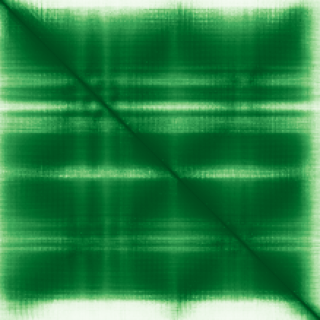
Predicted protein structure

Clinical relevance (Genomics England PanelApp)

Diagnostic Grade (Green)

  • Monogenic hearing loss

    BIALLELIC, autosomal or pseudoautosomal

Disease associations (Open Targets)

  • hearing loss, autosomal recessive

    0.70
  • deafness

    0.52
  • nonsyndromic genetic hearing loss

    0.40
  • Non-syndromic genetic deafness

    0.39
  • autosomal recessive non-syndromic intellectual disability

    0.34
  • Hearing impairment

    0.30
  • Abnormality of the ear

    0.28
  • ear malformation

    0.27
  • Rare genetic deafness

    0.27
  • hereditary disease

    0.19

Score is the Open Targets composite evidence score (0-1). Higher = stronger gene-disease association.

Protein function (UniProt)

LHFPL tetraspan subfamily member 5 protein

Auxiliary subunit of the mechanotransducer (MET) non-specific cation channel complex located at the tips of the shorter stereocilia of cochlear hair cells and that mediates sensory transduction in the auditory system. The MET complex is composed of two dimeric pore-forming ion-conducting transmembrane TMC (TMC1 or TMC2) subunits, and aided by several auxiliary proteins including LHFPL5, TMIE, CIB2/3 and TOMT, and the tip-link PCDH15. Functionally couples PCDH15 to the transduction channel

Data sources: HGNC (CC BY 4.0), AlphaFold (CC BY 4.0, Jumper et al. Nature 2021), Genomics England PanelApp (CC BY 4.0), ClinGen, Open Targets (CC0), UniProt.

Not for sole clinical decision-making. Always verify against primary sources.