
AlphaFold predicted structure
LIPA · P38571
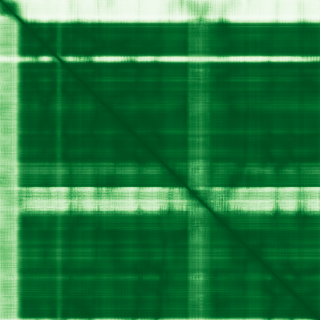
Mean pLDDT
91.6/ 100
Very high
399 residues
Confidence breakdown
- Very high(≥ 90)81%
- Confident(70–90)11%
- Low(50–70)3%
- Very low(< 50)5%
Open interactive 3D viewer
AlphaFold (Jumper et al., 2021) · CC BY 4.0
lipase A, lysosomal acid type
Annotations refreshed 2 months ago.
Diagnostic Grade (Green)
Cholestasis
BIALLELIC, autosomal or pseudoautosomalFamilial hypercholesterolaemia
BIALLELIC, autosomal or pseudoautosomalFetal anomalies
BIALLELIC, autosomal or pseudoautosomalFetal hydrops
BIALLELIC, autosomal or pseudoautosomalLikely inborn error of metabolism
BIALLELIC, autosomal or pseudoautosomalLysosomal acid lipase deficiency
BIALLELIC, autosomal or pseudoautosomalLysosomal storage disorder
BIALLELIC, autosomal or pseudoautosomalNeonatal cholestasis
BIALLELIC, autosomal or pseudoautosomal+3 more panels — install the extension to see the full list inline on any page.
cholesteryl ester storage disease
Wolman disease
lysosomal acid lipase deficiency
coronary artery disorder
myocardial infarction
abdominal aortic aneurysm
cardiovascular disorder
Abnormality of the cardiovascular system
cholestasis
coronary atherosclerosis
Score is the Open Targets composite evidence score (0-1). Higher = stronger gene-disease association.
Lysosomal acid lipase/cholesteryl ester hydrolase
Catalyzes the deacylation of cholesteryl ester core lipids of endocytosed low density lipoproteins to generate free fatty acids and cholesterol (PubMed:15269241, PubMed:1718995, PubMed:7204383, PubMed:8112342, PubMed:9633819). Hydrolyzes triglycerides (1,2,3-triacylglycerol) and diglycerides (such as 1,2-diacylglycerol and 1,3-diacylglycerol) with preference for the acyl moieties at the sn-1 or sn-3 positions (PubMed:7204383, PubMed:8112342)
LIPA · P38571
Mean pLDDT
91.6/ 100
Very high
399 residues
Confidence breakdown
AlphaFold (Jumper et al., 2021) · CC BY 4.0