
AlphaFold predicted structure
LIPN · Q5VXI9
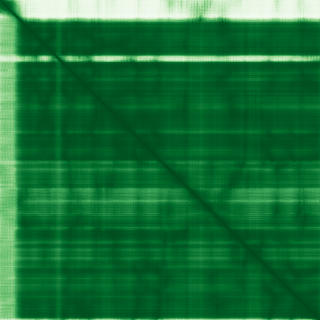
Mean pLDDT
91.9/ 100
Very high
398 residues
Confidence breakdown
- Very high(≥ 90)80%
- Confident(70–90)13%
- Low(50–70)3%
- Very low(< 50)4%
Open interactive 3D viewer
AlphaFold (Jumper et al., 2021) · CC BY 4.0
lipase family member N
Annotations refreshed 3 months ago.
Diagnostic Grade (Green)
DDG2P
BIALLELIC, autosomal or pseudoautosomalPalmoplantar keratodermas
BIALLELIC, autosomal or pseudoautosomalAutosomal recessive congenital ichthyosis
BIALLELIC, autosomal or pseudoautosomalEctodermal dysplasia
BIALLELIC, autosomal or pseudoautosomalFamilial cicatricial alopecia
BIALLELIC, autosomal or pseudoautosomalFetal anomalies
BIALLELIC, autosomal or pseudoautosomalIchthyosis and erythrokeratoderma
BIALLELIC, autosomal or pseudoautosomallamellar ichthyosis
autosomal recessive congenital ichthyosis
arthropathy
metabolic syndrome
3-hydroxy-3-methylglutaryl-CoA synthase deficiency
hyperproinsulinemia
Glycogen storage disease due to hepatic glycogen synthase deficiency
glycogen storage disorder due to hepatic glycogen synthase deficiency
exercise-induced hyperinsulinism
androgenetic alopecia
Score is the Open Targets composite evidence score (0-1). Higher = stronger gene-disease association.
Lipase member N
Plays a highly specific role in the last step of keratinocyte differentiation. Contains two distinct domains: the alpha/beta hydrolase fold and the abhydrolase-associated lipase region, also features the consensus sequence of the active site of a genuine lipase. May have an essential function in lipid metabolism of the most differentiated epidermal layers
LIPN · Q5VXI9
Mean pLDDT
91.9/ 100
Very high
398 residues
Confidence breakdown
AlphaFold (Jumper et al., 2021) · CC BY 4.0