
AlphaFold predicted structure
LIPT1 · Q9Y234
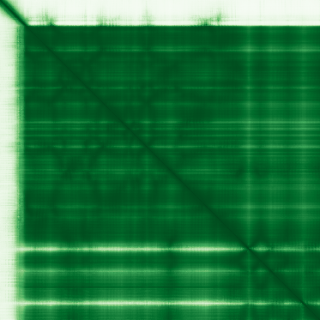
Mean pLDDT
91.4/ 100
Very high
373 residues
Confidence breakdown
- Very high(≥ 90)85%
- Confident(70–90)8%
- Low(50–70)0%
- Very low(< 50)8%
Open interactive 3D viewer
AlphaFold (Jumper et al., 2021) · CC BY 4.0
lipoyltransferase 1
Annotations refreshed 2 months ago.
Diagnostic Grade (Green)
DDG2P
BIALLELIC, autosomal or pseudoautosomalIntellectual disability
BIALLELIC, autosomal or pseudoautosomalLikely inborn error of metabolism
BIALLELIC, autosomal or pseudoautosomalMitochondrial disorders
BIALLELIC, autosomal or pseudoautosomalPossible mitochondrial disorder - nuclear genes
BIALLELIC, autosomal or pseudoautosomalPyruvate dehydrogenase (PDH) deficiency
BIALLELIC, autosomal or pseudoautosomalUndiagnosed metabolic disorders
BIALLELIC, autosomal or pseudoautosomalEarly onset or syndromic epilepsy
BIALLELIC, autosomal or pseudoautosomal+2 more panels — install the extension to see the full list inline on any page.
lipoyl transferase 1 deficiency
Leigh syndrome
hereditary disease
Abnormal optic nerve morphology
Abnormal cardiovascular system morphology
Hypotonia
Failure to thrive
Hearing impairment
cancer
melanoma
Score is the Open Targets composite evidence score (0-1). Higher = stronger gene-disease association.
Lipoyl amidotransferase LIPT1, mitochondrial
Lipoyl amidotransferase that catalyzes the transfer of lipoyl moieties from lipoyl-protein H of the glycine cleavage system (lipoyl-GCSH) to E2 subunits of the pyruvate dehydrogenase complex (PDCE2) (PubMed:29987032). Unable to catalyze the transfer of octanoyl from octanoyl-GCSH to PDCE2 (PubMed:29987032). In vitro, it is also able to catalyze the transfer of the lipoyl group from lipoyl-AMP to the specific lysine residue of lipoyl domains of lipoate-dependent enzymes but this reaction may not be physiologically relevant (Probable)
LIPT1 · Q9Y234
Mean pLDDT
91.4/ 100
Very high
373 residues
Confidence breakdown
AlphaFold (Jumper et al., 2021) · CC BY 4.0