
AlphaFold predicted structure
LPL · P06858
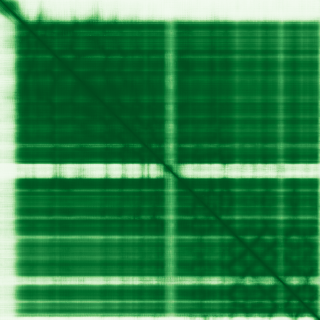
Mean pLDDT
91.1/ 100
Very high
475 residues
Confidence breakdown
- Very high(≥ 90)81%
- Confident(70–90)7%
- Low(50–70)9%
- Very low(< 50)3%
Open interactive 3D viewer
AlphaFold (Jumper et al., 2021) · CC BY 4.0
lipoprotein lipase
Annotations refreshed 2 months ago.
Diagnostic Grade (Green)
Familial chylomicronaemia syndrome (FCS)
BOTH monoallelic and biallelic, autosomal or pseudoautosomalLikely inborn error of metabolism
BOTH monoallelic and biallelic, autosomal or pseudoautosomalSevere hypertriglyceridaemia
BOTH monoallelic and biallelic, autosomal or pseudoautosomalUndiagnosed metabolic disorders
BOTH monoallelic and biallelic, autosomal or pseudoautosomalChildhood onset dystonia, chorea or related movement disorder
Familial hypercholesterolaemia
Neonatal diabetes
BIALLELIC, autosomal or pseudoautosomalfamilial lipoprotein lipase deficiency
Hyperlipoproteinemia type 1
Combined hyperlipidemia
coronary artery disorder
metabolic syndrome
type 2 diabetes mellitus
myocardial infarction
Hypercholesterolemia
metabolic disease
familial hyperlipidemia
Score is the Open Targets composite evidence score (0-1). Higher = stronger gene-disease association.
Lipoprotein lipase
Key enzyme in triglyceride metabolism. Catalyzes the hydrolysis of triglycerides from circulating chylomicrons and very low density lipoproteins (VLDL), and thereby plays an important role in lipid clearance from the blood stream, lipid utilization and storage (PubMed:11342582, PubMed:27578112, PubMed:8675619). Although it has both phospholipase and triglyceride lipase activities it is primarily a triglyceride lipase with low but detectable phospholipase activity (PubMed:12032167, PubMed:7592706). Mediates margination of triglyceride-rich lipoprotein particles in capillaries (PubMed:24726386). Recruited to its site of action on the luminal surface of vascular endothelium by binding to GPIHBP1 and cell surface heparan sulfate proteoglycans (PubMed:11342582, PubMed:27811232)
Curated MONDO disease pages that list LPL among their top associated genes.
LPL · P06858
Mean pLDDT
91.1/ 100
Very high
475 residues
Confidence breakdown
AlphaFold (Jumper et al., 2021) · CC BY 4.0