Skip to content
GenoLensGenoLens

LRSAM1

Chr 9q33.3-q34.11

leucine rich repeat and sterile alpha motif containing 1

Aliases:
FLJ31641, CMT2P, RIFLE, TAL
MANE:
ENST00000300417.11

Annotations refreshed 9 hours ago.

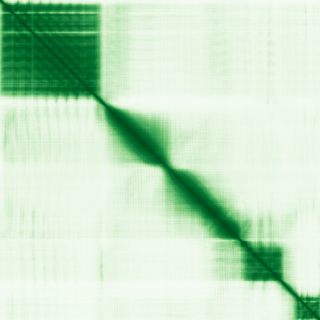
Predicted protein structure

Clinical relevance (Genomics England PanelApp)

Diagnostic Grade (Green)

  • Hereditary neuropathy

    BOTH monoallelic and biallelic, autosomal or pseudoautosomal
  • Hereditary neuropathy or pain disorder

    BOTH monoallelic and biallelic, autosomal or pseudoautosomal
  • Adult onset neurodegenerative disorder

    BIALLELIC, autosomal or pseudoautosomal

Disease associations (Open Targets)

  • Charcot-Marie-Tooth disease axonal type 2P

    0.79
  • hereditary disease

    0.52
  • Charcot-Marie-Tooth disease

    0.52
  • schwannomatosis

    0.33
  • LZTR1-related schwannomatosis

    0.33
  • headache disorder

    0.25
  • Charcot-Marie-Tooth disease type 4

    0.11
  • Charcot-Marie-Tooth disease type 1

    0.11
  • hepatocellular carcinoma

    0.07
  • benign adult familial myoclonic epilepsy

    0.06

Score is the Open Targets composite evidence score (0-1). Higher = stronger gene-disease association.

Protein function (UniProt)

E3 ubiquitin-protein ligase LRSAM1

E3 ubiquitin-protein ligase that mediates monoubiquitination of TSG101 at multiple sites, leading to inactivate the ability of TSG101 to sort endocytic (EGF receptors) and exocytic (HIV-1 viral proteins) cargos (PubMed:15256501). Bacterial recognition protein that defends the cytoplasm from invasive pathogens (PubMed:23245322). Localizes to several intracellular bacterial pathogens and generates the bacteria-associated ubiquitin signal leading to autophagy-mediated intracellular bacteria degradation (xenophagy) (PubMed:23245322, PubMed:25484098)

Data sources: HGNC (CC BY 4.0), AlphaFold (CC BY 4.0, Jumper et al. Nature 2021), Genomics England PanelApp (CC BY 4.0), ClinGen, Open Targets (CC0), UniProt.

Not for sole clinical decision-making. Always verify against primary sources.