
AlphaFold predicted structure
LSS · P48449
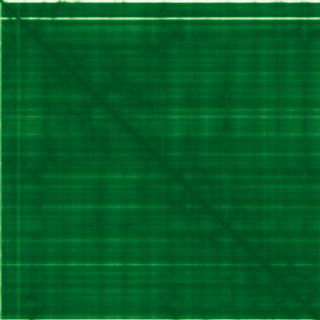
Mean pLDDT
98.0/ 100
Very high
732 residues
Confidence breakdown
- Very high(≥ 90)98%
- Confident(70–90)1%
- Low(50–70)0%
- Very low(< 50)1%
Open interactive 3D viewer
AlphaFold (Jumper et al., 2021) · CC BY 4.0
lanosterol synthase
Annotations refreshed 2 months ago.
Diagnostic Grade (Green)
Bilateral congenital or childhood onset cataracts
BIALLELIC, autosomal or pseudoautosomalEarly onset or syndromic epilepsy
BIALLELIC, autosomal or pseudoautosomalFetal anomalies
BIALLELIC, autosomal or pseudoautosomalIntellectual disability
BIALLELIC, autosomal or pseudoautosomalNon-syndromic hypotrichosis
BIALLELIC, autosomal or pseudoautosomalEctodermal dysplasia
BIALLELIC, autosomal or pseudoautosomalIchthyosis and erythrokeratoderma
BIALLELIC, autosomal or pseudoautosomalAlopecia-intellectual disability syndrome
Total congenital cataract
cataract 44
hypotrichosis 14
hypotrichosis
neurodegenerative disease
early-onset non-syndromic cataract
hereditary disease
cataract
autosomal recessive palmoplantar keratoderma and congenital alopecia
Score is the Open Targets composite evidence score (0-1). Higher = stronger gene-disease association.
Lanosterol synthase
Key enzyme in the cholesterol biosynthesis pathway. Catalyzes the cyclization of (S)-2,3 oxidosqualene to lanosterol, a reaction that forms the sterol nucleus (PubMed:14766201, PubMed:26200341, PubMed:7639730). Through the production of lanosterol may regulate lens protein aggregation and increase transparency (PubMed:26200341)
LSS · P48449
Mean pLDDT
98.0/ 100
Very high
732 residues
Confidence breakdown
AlphaFold (Jumper et al., 2021) · CC BY 4.0