Skip to content
GenoLensGenoLens

MAD2L2

Chr 1p36.22

mitotic arrest deficient 2 like 2

Aliases:
MAD2B, REV7, POLZ2, FANCV
MANE:
ENST00000376692.9

Annotations refreshed 10 hours ago.

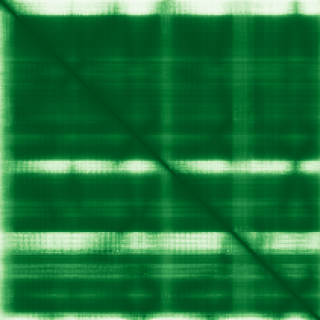
Predicted protein structure

Clinical relevance (Genomics England PanelApp)

Diagnostic Grade (Green)

  • COVID-19 research

    BIALLELIC, autosomal or pseudoautosomal
  • Haematological malignancies cancer susceptibility

    BIALLELIC, autosomal or pseudoautosomal
  • Haematological malignancies for rare disease

    BIALLELIC, autosomal or pseudoautosomal
  • Confirmed Fanconi anaemia or Bloom syndrome

    BIALLELIC, autosomal or pseudoautosomal
  • Pigmentary skin disorders

    BIALLELIC, autosomal or pseudoautosomal

Disease associations (Open Targets)

  • Fanconi anemia

    0.56
  • Fanconi anemia complementation group V

    0.51
  • acute myeloid leukemia

    0.46
  • myelodysplastic syndrome

    0.46
  • kidney disorder

    0.24
  • Abnormal sperm morphology

    0.12
  • oligospermia

    0.12
  • Reduced sperm motility

    0.12
  • central nervous system cancer

    0.10
  • glioma

    0.10

Score is the Open Targets composite evidence score (0-1). Higher = stronger gene-disease association.

Protein function (UniProt)

Mitotic spindle assembly checkpoint protein MAD2B

Adapter protein able to interact with different proteins and involved in different biological processes (PubMed:11459825, PubMed:11459826, PubMed:17296730, PubMed:17719540, PubMed:19443654, PubMed:29656893). Mediates the interaction between the error-prone DNA polymerase zeta catalytic subunit REV3L and the inserter polymerase REV1, thereby mediating the second polymerase switching in translesion DNA synthesis (PubMed:20164194, PubMed:23143872). Translesion DNA synthesis releases the replication blockade of replicative polymerases, stalled in presence of DNA lesions (PubMed:20164194). Component of the shieldin complex, which plays an important role in repair of DNA double-stranded breaks (DSBs) (PubMed:29656893). During G1 and S phase of the cell cycle, the complex functions downstream of TP53BP1 to promote non-homologous end joining (NHEJ) and suppress DNA end resection (PubMed:29656893). Mediates various NHEJ-dependent processes including immunoglobulin class-switch recombination, and fusion of unprotected telomeres (PubMed:29656893). May also regulate another aspect of cellular response to DNA damage through regulation of the JNK-mediated phosphorylation and activation of the transcriptional activator ELK1 (PubMed:17296730). Inhibits the FZR1- and probably CDC20-mediated activation of the anaphase promoting complex APC thereby regulating progression through the cell cycle (PubMed:11459825, PubMed:17719540). Regulates TCF7L2-mediated gene transcription and may play a role in epithelial-mesenchymal transdifferentiation (PubMed:19443654)

Data sources: HGNC (CC BY 4.0), AlphaFold (CC BY 4.0, Jumper et al. Nature 2021), Genomics England PanelApp (CC BY 4.0), ClinGen, Open Targets (CC0), UniProt.

Not for sole clinical decision-making. Always verify against primary sources.