
AlphaFold predicted structure
MAGI2 · Q86UL8
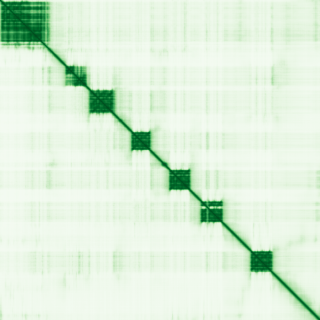
Mean pLDDT
60.5/ 100
Low
1,455 residues
Confidence breakdown
- Very high(≥ 90)21%
- Confident(70–90)27%
- Low(50–70)4%
- Very low(< 50)49%
Open interactive 3D viewer
AlphaFold (Jumper et al., 2021) · CC BY 4.0
membrane associated guanylate kinase, WW and PDZ domain containing 2
Annotations refreshed 3 months ago.
Diagnostic Grade (Green)
Proteinuric renal disease
BIALLELIC, autosomal or pseudoautosomalDDG2P
MONOALLELIC, autosomal or pseudoautosomal, imprinted status unknownEarly onset or syndromic epilepsy
BIALLELIC, autosomal or pseudoautosomalGastrointestinal epithelial barrier disorders
UnknownIntellectual disability
MONOALLELIC, autosomal or pseudoautosomal, NOT imprintednephrotic syndrome 15
neurodegenerative disease
type 2 diabetes mellitus
alcohol drinking
familial idiopathic steroid-resistant nephrotic syndrome
nephrotic syndrome
urolithiasis
smoking initiation
lagophthalmos
attention deficit-hyperactivity disorder
Score is the Open Targets composite evidence score (0-1). Higher = stronger gene-disease association.
Membrane-associated guanylate kinase, WW and PDZ domain-containing protein 2
Seems to act as a scaffold molecule at synaptic junctions by assembling neurotransmitter receptors and cell adhesion proteins (By similarity). Plays a role in nerve growth factor (NGF)-induced recruitment of RAPGEF2 to late endosomes and neurite outgrowth (By similarity). May play a role in regulating activin-mediated signaling in neuronal cells (By similarity). Enhances the ability of PTEN to suppress AKT1 activation (PubMed:10760291). Plays a role in receptor-mediated clathrin-dependent endocytosis which is required for ciliogenesis (By similarity)
Curated MONDO disease pages that list MAGI2 among their top associated genes.
MAGI2 · Q86UL8
Mean pLDDT
60.5/ 100
Low
1,455 residues
Confidence breakdown
AlphaFold (Jumper et al., 2021) · CC BY 4.0