Skip to content
GenoLensGenoLens

MALT1

Chr 18q21.32

MALT1 paracaspase

Aliases:
PCASP1
MANE:
ENST00000649217.2

Annotations refreshed 9 hours ago.

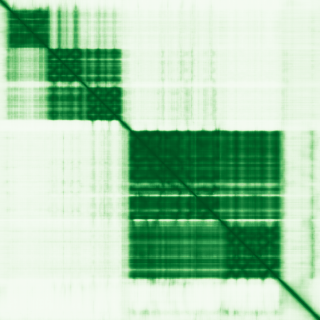
Predicted protein structure

Clinical relevance (Genomics England PanelApp)

Diagnostic Grade (Green)

  • COVID-19 research

    BIALLELIC, autosomal or pseudoautosomal
  • Primary immunodeficiency or monogenic inflammatory bowel disease

    BIALLELIC, autosomal or pseudoautosomal

Disease associations (Open Targets)

  • combined immunodeficiency due to MALT1 deficiency

    0.77
  • severe combined immunodeficiency

    0.53
  • combined immunodeficiency

    0.47
  • lymphoid neoplasm

    0.37
  • skin carcinoma

    0.37
  • hemangioblastoma

    0.37
  • carcinoma of liver and intrahepatic biliary tract

    0.37
  • bile duct carcinoma

    0.37
  • gastric intestinal type adenocarcinoma

    0.37
  • ovarian endometrioid adenocarcinoma with squamous differentiation

    0.37

Score is the Open Targets composite evidence score (0-1). Higher = stronger gene-disease association.

Protein function (UniProt)

Mucosa-associated lymphoid tissue lymphoma translocation protein 1

Protease that enhances BCL10-induced activation: acts via formation of CBM complexes that channel adaptive and innate immune signaling downstream of CARD domain-containing proteins (CARD9, CARD11 and CARD14) to activate NF-kappa-B and MAP kinase p38 pathways which stimulate expression of genes encoding pro-inflammatory cytokines and chemokines (PubMed:11262391, PubMed:18264101, PubMed:24074955). Mediates BCL10 cleavage: MALT1-dependent BCL10 cleavage plays an important role in T-cell antigen receptor-induced integrin adhesion (PubMed:11262391, PubMed:18264101). Involved in the induction of T helper 17 cells (Th17) differentiation (PubMed:11262391, PubMed:18264101). Cleaves RC3H1 and ZC3H12A in response to T-cell receptor (TCR) stimulation which releases their cooperatively repressed targets to promote Th17 cell differentiation (By similarity). Also mediates cleavage of N4BP1 in T-cells following TCR-mediated activation, leading to N4BP1 inactivation (PubMed:31133753). May also have ubiquitin ligase activity: binds to TRAF6, inducing TRAF6 oligomerization and activation of its ligase activity (PubMed:14695475)

Data sources: HGNC (CC BY 4.0), AlphaFold (CC BY 4.0, Jumper et al. Nature 2021), Genomics England PanelApp (CC BY 4.0), ClinGen, Open Targets (CC0), UniProt.

Not for sole clinical decision-making. Always verify against primary sources.