AlphaFold predicted structure
MAN1B1 · Q9UKM7
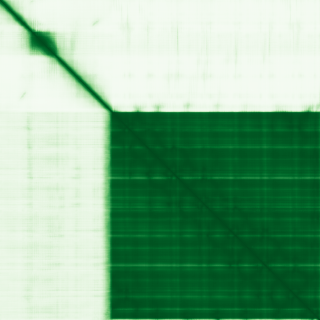
Mean pLDDT
80.8/ 100
Confident
699 residues
Confidence breakdown
- Very high(≥ 90)67%
- Confident(70–90)4%
- Low(50–70)3%
- Very low(< 50)25%
AlphaFold (Jumper et al., 2021) · CC BY 4.0
mannosidase alpha class 1B member 1
Annotations refreshed 10 hours ago.
Diagnostic Grade (Green)
Congenital disorders of glycosylation
BIALLELIC, autosomal or pseudoautosomalDDG2P
BIALLELIC, autosomal or pseudoautosomalIntellectual disability
BIALLELIC, autosomal or pseudoautosomalLikely inborn error of metabolism
BIALLELIC, autosomal or pseudoautosomalUndiagnosed metabolic disorders
BIALLELIC, autosomal or pseudoautosomalFetal anomalies
BIALLELIC, autosomal or pseudoautosomalChildhood onset dystonia, chorea or related movement disorder
Rafiq syndrome
autosomal recessive non-syndromic intellectual disability
X-linked non-syndromic intellectual disability
hereditary disease
MAN1B1-congenital disorder of glycosylation
COVID-19
neurodegenerative disease
hepatocellular carcinoma
Hyperhidrosis
urinary bladder carcinoma
Score is the Open Targets composite evidence score (0-1). Higher = stronger gene-disease association.
Endoplasmic reticulum mannosyl-oligosaccharide 1,2-alpha-mannosidase
Involved in glycoprotein quality control targeting of misfolded glycoproteins for degradation. It primarily trims a single alpha-1,2-linked mannose residue from Man(9)GlcNAc(2) to produce Man(8)GlcNAc(2), but at high enzyme concentrations, as found in the ER quality control compartment (ERQC), it further trims the carbohydrates to Man(5-6)GlcNAc(2)
MAN1B1 · Q9UKM7

Mean pLDDT
80.8/ 100
Confident
699 residues
Confidence breakdown
AlphaFold (Jumper et al., 2021) · CC BY 4.0