
AlphaFold predicted structure
MAOA · P21397
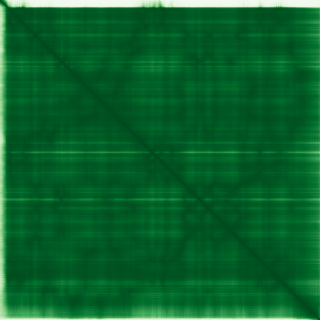
Mean pLDDT
97.0/ 100
Very high
527 residues
Confidence breakdown
- Very high(≥ 90)97%
- Confident(70–90)1%
- Low(50–70)0%
- Very low(< 50)2%
Open interactive 3D viewer
AlphaFold (Jumper et al., 2021) · CC BY 4.0
monoamine oxidase A
Annotations refreshed 2 months ago.
Diagnostic Grade (Green)
DDG2P
X-LINKED: hemizygous mutation in males, biallelic mutations in femalesIntellectual disability
X-LINKED: hemizygous mutation in males, biallelic mutations in femalesLikely inborn error of metabolism
X-LINKED: hemizygous mutation in males, biallelic mutations in femalesNeurotransmitter disorders
X-LINKED: hemizygous mutation in males, monoallelic mutations in females may cause disease (may be less severe, later onset than males)Undiagnosed metabolic disorders
X-LINKED: hemizygous mutation in males, biallelic mutations in femalesChildhood onset dystonia, chorea or related movement disorder
X-LINKED: hemizygous mutation in males, monoallelic mutations in females may cause disease (may be less severe, later onset than males)Fetal anomalies
X-LINKED: hemizygous mutation in males, biallelic mutations in femalesSudden death in young people
X-LINKED: hemizygous mutation in males, biallelic mutations in femalesBrunner syndrome
Monoamine oxidase A deficiency
major depressive disorder
depressive disorder
hereditary disease
mental disorder
Hypertension
hypertensive disorder
melancholia
autism
Score is the Open Targets composite evidence score (0-1). Higher = stronger gene-disease association.
Amine oxidase [flavin-containing] A
Catalyzes the oxidative deamination of primary and some secondary amine such as neurotransmitters, with concomitant reduction of oxygen to hydrogen peroxide and has important functions in the metabolism of neuroactive and vasoactive amines in the central nervous system and peripheral tissues (PubMed:18391214, PubMed:20493079, PubMed:24169519, PubMed:8316221). Preferentially oxidizes serotonin (PubMed:20493079, PubMed:24169519). Also catalyzes the oxidative deamination of kynuramine to 3-(2-aminophenyl)-3-oxopropanal that can spontaneously condense to 4-hydroxyquinoline (By similarity)
Curated MONDO disease pages that list MAOA among their top associated genes.
MAOA · P21397
Mean pLDDT
97.0/ 100
Very high
527 residues
Confidence breakdown
AlphaFold (Jumper et al., 2021) · CC BY 4.0