Skip to content
GenoLensGenoLens

MED27

Chr 9q34.13

mediator complex subunit 27

Aliases:
TRAP37, CRSP34, MED3
MANE:
ENST00000292035.10

Annotations refreshed 10 hours ago.

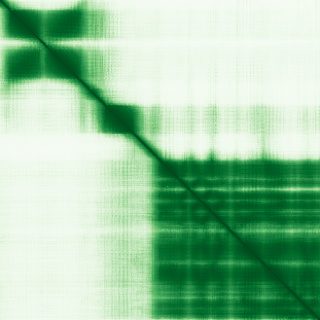
Predicted protein structure

Clinical relevance (Genomics England PanelApp)

Diagnostic Grade (Green)

  • Bilateral congenital or childhood onset cataracts

    BIALLELIC, autosomal or pseudoautosomal
  • Childhood onset dystonia, chorea or related movement disorder

    BIALLELIC, autosomal or pseudoautosomal
  • DDG2P

    BIALLELIC, autosomal or pseudoautosomal
  • Early onset or syndromic epilepsy

    BIALLELIC, autosomal or pseudoautosomal
  • Fetal anomalies

    BIALLELIC, autosomal or pseudoautosomal
  • Intellectual disability

    BIALLELIC, autosomal or pseudoautosomal

Disease associations (Open Targets)

  • neurodevelopmental disorder with spasticity, cataracts, and cerebellar hypoplasia

    0.67
  • Intellectual disability

    0.55
  • cataract

    0.53
  • Spasticity

    0.53
  • Dystonia

    0.53
  • Cerebellar hypoplasia

    0.53
  • epilepsy

    0.53
  • Axial hypotonia

    0.53
  • neurodegenerative disease

    0.46
  • smoking initiation

    0.39

Score is the Open Targets composite evidence score (0-1). Higher = stronger gene-disease association.

Protein function (UniProt)

Mediator of RNA polymerase II transcription subunit 27

Component of the Mediator complex, a coactivator involved in the regulated transcription of nearly all RNA polymerase II-dependent genes. Mediator functions as a bridge to convey information from gene-specific regulatory proteins to the basal RNA polymerase II transcription machinery. Mediator is recruited to promoters by direct interactions with regulatory proteins and serves as a scaffold for the assembly of a functional preinitiation complex with RNA polymerase II and the general transcription factors

Curated MONDO disease pages that list MED27 among their top associated genes.

Data sources: HGNC (CC BY 4.0), AlphaFold (CC BY 4.0, Jumper et al. Nature 2021), Genomics England PanelApp (CC BY 4.0), ClinGen, Open Targets (CC0), UniProt.

Not for sole clinical decision-making. Always verify against primary sources.