Skip to content
GenoLensGenoLens

MFSD2A

Chr 1p34.2

MFSD2 lysolipid transporter A, lysophospholipid

Aliases:
FLJ14490, SLC59A1
MANE:
ENST00000372811.10

Annotations refreshed 9 hours ago.

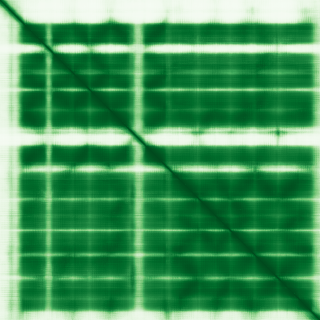
Predicted protein structure

Clinical relevance (Genomics England PanelApp)

Diagnostic Grade (Green)

  • DDG2P

    BIALLELIC, autosomal or pseudoautosomal
  • Fetal anomalies

    BIALLELIC, autosomal or pseudoautosomal
  • Intellectual disability

    BIALLELIC, autosomal or pseudoautosomal
  • Severe microcephaly

    BIALLELIC, autosomal or pseudoautosomal

Disease associations (Open Targets)

  • microcephaly 15, primary, autosomal recessive

    0.70
  • autosomal recessive primary microcephaly

    0.46
  • hereditary disease

    0.41
  • Primary microcephaly

    0.37
  • microcephaly

    0.37
  • fetal growth restriction

    0.33
  • Intellectual disability

    0.33
  • Hyperammonemia

    0.33
  • Delayed gross motor development

    0.33
  • cryptorchidism

    0.33

Score is the Open Targets composite evidence score (0-1). Higher = stronger gene-disease association.

Protein function (UniProt)

Sodium-dependent lysophosphatidylcholine symporter 1

Sodium-dependent lysophosphatidylcholine (LPC) symporter, which plays an essential role for blood-brain barrier formation and function (PubMed:24828040, PubMed:32572202, PubMed:34135507). Specifically expressed in endothelium of the blood-brain barrier of micro-vessels and transports LPC into the brain (By similarity). Transport of LPC is essential because it constitutes the major mechanism by which docosahexaenoic acid (DHA), an omega-3 fatty acid that is essential for normal brain growth and cognitive function, enters the brain (PubMed:26005868, PubMed:34135507). Transports LPC carrying long-chain fatty acids such LPC oleate and LPC palmitate with a minimum acyl chain length of 14 carbons (By similarity). Does not transport docosahexaenoic acid in unesterified fatty acid (By similarity). Specifically required for blood-brain barrier formation and function, probably by mediating lipid transport (By similarity). Not required for central nervous system vascular morphogenesis (By similarity). Acts as a transporter for tunicamycin, an inhibitor of asparagine-linked glycosylation (PubMed:21677192). In placenta, acts as a receptor for ERVFRD-1/syncytin-2 and is required for trophoblast fusion (PubMed:18988732, PubMed:23177091)

Data sources: HGNC (CC BY 4.0), AlphaFold (CC BY 4.0, Jumper et al. Nature 2021), Genomics England PanelApp (CC BY 4.0), ClinGen, Open Targets (CC0), UniProt.

Not for sole clinical decision-making. Always verify against primary sources.