Skip to content
GenoLensGenoLens

MIB1

Chr 18q11.2

MIB E3 ubiquitin protein ligase 1

Aliases:
DIP-1, MIB, KIAA1323, ZZANK2, ZZZ6
MANE:
ENST00000261537.7

Annotations refreshed 1 month ago.

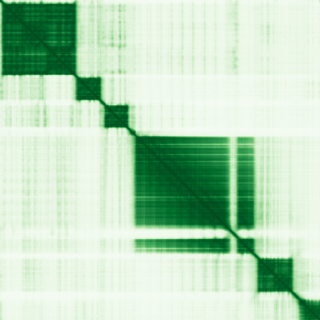
Predicted protein structure

Clinical relevance (Genomics England PanelApp)

Moderate Evidence (Amber)

  • Paediatric or syndromic cardiomyopathy

    MONOALLELIC, autosomal or pseudoautosomal, NOT imprinted
  • DDG2P

    MONOALLELIC, autosomal or pseudoautosomal, imprinted status unknown
  • Intellectual disability

  • Left Ventricular Noncompaction Cardiomyopathy

Disease associations (Open Targets)

  • left ventricular noncompaction

    0.62
  • Abnormality of the skeletal system

    0.36
  • hypercholesterolemia, familial, 1

    0.33
  • musculoskeletal system disorder

    0.28
  • Alzheimer disease

    0.23
  • hereditary disease

    0.19
  • familial hypertrophic cardiomyopathy

    0.14
  • diabetes mellitus

    0.14
  • type 2 diabetes mellitus

    0.13
  • dilated cardiomyopathy

    0.12

Score is the Open Targets composite evidence score (0-1). Higher = stronger gene-disease association.

Protein function (UniProt)

E3 ubiquitin-protein ligase MIB1

E3 ubiquitin-protein ligase that mediates ubiquitination of Delta receptors, which act as ligands of Notch proteins. Positively regulates the Delta-mediated Notch signaling by ubiquitinating the intracellular domain of Delta, leading to endocytosis of Delta receptors. Probably mediates ubiquitination and subsequent proteasomal degradation of DAPK1, thereby antagonizing anti-apoptotic effects of DAPK1 to promote TNF-induced apoptosis (By similarity). Involved in ubiquitination of centriolar satellite CEP131, CEP290 and PCM1 proteins and hence inhibits primary cilium formation in proliferating cells. Mediates 'Lys-63'-linked polyubiquitination of TBK1, which probably participates in kinase activation

Data sources: HGNC (CC BY 4.0), AlphaFold (CC BY 4.0, Jumper et al. Nature 2021), Genomics England PanelApp (CC BY 4.0), ClinGen, Open Targets (CC0), UniProt.

Not for sole clinical decision-making. Always verify against primary sources.