
AlphaFold predicted structure
MLYCD · O95822
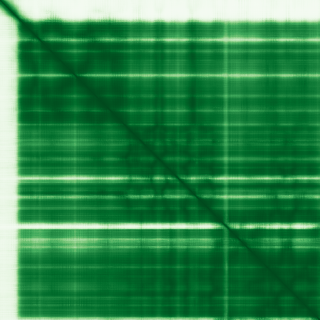
Mean pLDDT
89.9/ 100
Confident
493 residues
Confidence breakdown
- Very high(≥ 90)79%
- Confident(70–90)12%
- Low(50–70)2%
- Very low(< 50)6%
Open interactive 3D viewer
AlphaFold (Jumper et al., 2021) · CC BY 4.0
malonyl-CoA decarboxylase
Annotations refreshed 2 months ago.
Diagnostic Grade (Green)
DDG2P
BIALLELIC, autosomal or pseudoautosomalFetal anomalies
BIALLELIC, autosomal or pseudoautosomalHyperammonaemia
BIALLELIC, autosomal or pseudoautosomalIntellectual disability
BIALLELIC, autosomal or pseudoautosomalLikely inborn error of metabolism
BIALLELIC, autosomal or pseudoautosomalPaediatric or syndromic cardiomyopathy
BIALLELIC, autosomal or pseudoautosomalUndiagnosed metabolic disorders
BIALLELIC, autosomal or pseudoautosomalChildhood onset dystonia, chorea or related movement disorder
malonic aciduria
alcohol drinking
placenta praevia
deficiency anemia
preeclampsia
Intellectual disability
injury
hereditary disease
keratoconus
adolescent idiopathic scoliosis
Score is the Open Targets composite evidence score (0-1). Higher = stronger gene-disease association.
Malonyl-CoA decarboxylase, mitochondrial
Catalyzes the conversion of malonyl-CoA to acetyl-CoA. In the fatty acid biosynthesis MCD selectively removes malonyl-CoA and thus assures that methyl-malonyl-CoA is the only chain elongating substrate for fatty acid synthase and that fatty acids with multiple methyl side chains are produced. In peroxisomes it may be involved in degrading intraperoxisomal malonyl-CoA, which is generated by the peroxisomal beta-oxidation of odd chain-length dicarboxylic fatty acids. Plays a role in the metabolic balance between glucose and lipid oxidation in muscle independent of alterations in insulin signaling. May play a role in controlling the extent of ischemic injury by promoting glucose oxidation
Curated MONDO disease pages that list MLYCD among their top associated genes.
MLYCD · O95822
Mean pLDDT
89.9/ 100
Confident
493 residues
Confidence breakdown
AlphaFold (Jumper et al., 2021) · CC BY 4.0