
AlphaFold predicted structure
MSMO1 · Q15800
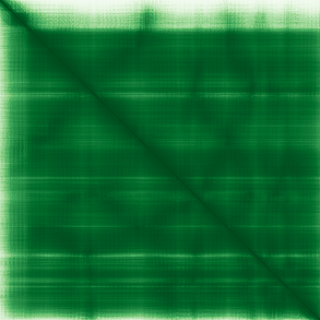
Mean pLDDT
93.8/ 100
Very high
293 residues
Confidence breakdown
- Very high(≥ 90)86%
- Confident(70–90)11%
- Low(50–70)2%
- Very low(< 50)1%
Open interactive 3D viewer
AlphaFold (Jumper et al., 2021) · CC BY 4.0
methylsterol monooxygenase 1
Annotations refreshed 2 months ago.
Diagnostic Grade (Green)
Bilateral congenital or childhood onset cataracts
BIALLELIC, autosomal or pseudoautosomalFetal anomalies
BIALLELIC, autosomal or pseudoautosomalIntellectual disability
BIALLELIC, autosomal or pseudoautosomalLikely inborn error of metabolism
BIALLELIC, autosomal or pseudoautosomalSevere microcephaly
BIALLELIC, autosomal or pseudoautosomalUndiagnosed metabolic disorders
BIALLELIC, autosomal or pseudoautosomalIchthyosis and erythrokeratoderma
BIALLELIC, autosomal or pseudoautosomalChildhood onset dystonia, chorea or related movement disorder
BIALLELIC, autosomal or pseudoautosomal+1 more panels — install the extension to see the full list inline on any page.
microcephaly-congenital cataract-psoriasiform dermatitis syndrome
neurodegenerative disease
hereditary disease
adolescent idiopathic scoliosis
cervical squamous cell carcinoma
spermatocele
cervical carcinoma
cervical cancer
Parkinson disease
placental abruption
Score is the Open Targets composite evidence score (0-1). Higher = stronger gene-disease association.
Methylsterol monooxygenase 1
Catalyzes the three-step monooxygenation required for the demethylation of 4,4-dimethyl and 4alpha-methylsterols, which can be subsequently metabolized to cholesterol (PubMed:21285510, PubMed:23583456, PubMed:26114596, PubMed:28673550, PubMed:36958722). Also involved in drug metabolism, as it can metabolize eldecalcitol (ED-71 or 1alpha,25-dihydroxy-2beta-(3-hydroxypropoxy)-cholecalciferol), a second-generation vitamin D analog, into 1alpha,2beta,25-trihydroxy vitamin D3; this reaction occurs via enzymatic hydroxylation and spontaneous O-dehydroxypropylation (PubMed:26038696)
MSMO1 · Q15800
Mean pLDDT
93.8/ 100
Very high
293 residues
Confidence breakdown
AlphaFold (Jumper et al., 2021) · CC BY 4.0