Skip to content
GenoLensGenoLens

MT-ND6

Chr mitochondria

mitochondrially encoded NADH:ubiquinone oxidoreductase core subunit 6

Aliases:
NAD6, ND6

Annotations refreshed 1 month ago.

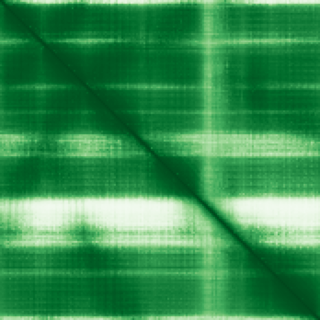
Predicted protein structure

Clinical relevance (Genomics England PanelApp)

Diagnostic Grade (Green)

  • Likely inborn error of metabolism

    MITOCHONDRIAL
  • Mitochondrial disorders

    MITOCHONDRIAL
  • Optic neuropathy

    MITOCHONDRIAL
  • Structural basal ganglia disorders

    MITOCHONDRIAL
  • Undiagnosed metabolic disorders

    MITOCHONDRIAL
  • Adult onset dystonia, chorea or related movement disorder

    MITOCHONDRIAL
  • Adult onset neurodegenerative disorder

    MITOCHONDRIAL
  • Albinism or congenital nystagmus

    MITOCHONDRIAL

+6 more panels — install the extension to see the full list inline on any page.

Disease associations (Open Targets)

  • Leber hereditary optic neuropathy

    0.74
  • Leigh syndrome

    0.71
  • MELAS syndrome

    0.70
  • mitochondrial disease

    0.66
  • MELAS

    0.64
  • type 2 diabetes mellitus

    0.62
  • diabetes mellitus

    0.58
  • Leber plus disease

    0.55
  • mitochondrial myopathy with reversible cytochrome C oxidase deficiency

    0.44
  • polycystic ovary syndrome

    0.42

Score is the Open Targets composite evidence score (0-1). Higher = stronger gene-disease association.

Protein function (UniProt)

NADH-ubiquinone oxidoreductase chain 6

Core subunit of the mitochondrial membrane respiratory chain NADH dehydrogenase (Complex I) which catalyzes electron transfer from NADH through the respiratory chain, using ubiquinone as an electron acceptor (PubMed:14595656, PubMed:8644732). Essential for the catalytic activity and assembly of complex I (PubMed:14595656, PubMed:8644732)

Curated MONDO disease pages that list MT-ND6 among their top associated genes.

Data sources: HGNC (CC BY 4.0), AlphaFold (CC BY 4.0, Jumper et al. Nature 2021), Genomics England PanelApp (CC BY 4.0), ClinGen, Open Targets (CC0), UniProt.

Not for sole clinical decision-making. Always verify against primary sources.