
AlphaFold predicted structure
MTFMT · Q96DP5
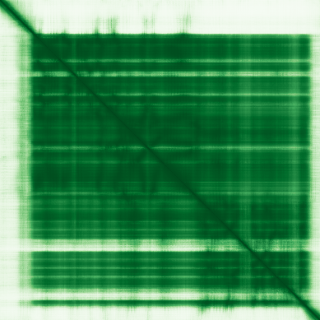
Mean pLDDT
86.3/ 100
Confident
389 residues
Confidence breakdown
- Very high(≥ 90)77%
- Confident(70–90)8%
- Low(50–70)3%
- Very low(< 50)13%
Open interactive 3D viewer
AlphaFold (Jumper et al., 2021) · CC BY 4.0
mitochondrial methionyl-tRNA formyltransferase
Annotations refreshed 3 months ago.
Diagnostic Grade (Green)
Ataxia and cerebellar anomalies - narrow panel
BIALLELIC, autosomal or pseudoautosomalChildhood onset dystonia, chorea or related movement disorder
BIALLELIC, autosomal or pseudoautosomalDDG2P
BIALLELIC, autosomal or pseudoautosomalFetal anomalies
BIALLELIC, autosomal or pseudoautosomalInherited white matter disorders
BIALLELIC, autosomal or pseudoautosomalIntellectual disability
BIALLELIC, autosomal or pseudoautosomalLikely inborn error of metabolism
BIALLELIC, autosomal or pseudoautosomalMitochondrial disorders
BIALLELIC, autosomal or pseudoautosomal+3 more panels — install the extension to see the full list inline on any page.
combined oxidative phosphorylation defect type 15
mitochondrial complex I deficiency, nuclear type 27
Leigh syndrome
neurodegenerative disease
hereditary disease
Cytochrome C oxidase-negative muscle fibers
Poor speech
Inability to walk by childhood/adolescence
Decreased activity of mitochondrial complex I
mitochondrial oxidative phosphorylation disorder
Score is the Open Targets composite evidence score (0-1). Higher = stronger gene-disease association.
Methionyl-tRNA formyltransferase, mitochondrial
Methionyl-tRNA formyltransferase that formylates methionyl-tRNA in mitochondria and is crucial for translation initiation
MTFMT · Q96DP5
Mean pLDDT
86.3/ 100
Confident
389 residues
Confidence breakdown
AlphaFold (Jumper et al., 2021) · CC BY 4.0