
AlphaFold predicted structure
MTHFR · P42898
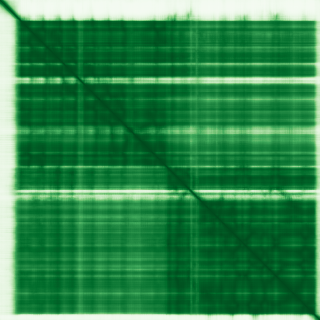
Mean pLDDT
88.6/ 100
Confident
656 residues
Confidence breakdown
- Very high(≥ 90)76%
- Confident(70–90)13%
- Low(50–70)4%
- Very low(< 50)7%
Open interactive 3D viewer
AlphaFold (Jumper et al., 2021) · CC BY 4.0
methylenetetrahydrofolate reductase
Annotations refreshed 2 months ago.
Diagnostic Grade (Green)
Adult onset leukodystrophy
BIALLELIC, autosomal or pseudoautosomalCerebral folate deficiency
BIALLELIC, autosomal or pseudoautosomalDDG2P
BIALLELIC, autosomal or pseudoautosomalEarly onset or syndromic epilepsy
BIALLELIC, autosomal or pseudoautosomalIntellectual disability
BIALLELIC, autosomal or pseudoautosomalLikely inborn error of metabolism
BIALLELIC, autosomal or pseudoautosomalUndiagnosed metabolic disorders
BIALLELIC, autosomal or pseudoautosomalChildhood onset dystonia, chorea or related movement disorder
+5 more panels — install the extension to see the full list inline on any page.
homocystinuria due to methylene tetrahydrofolate reductase deficiency
schizophrenia
neural tube defects, folate-sensitive
thrombophilia due to thrombin defect
Global developmental delay
Bilateral tonic-clonic seizure
ischemic stroke
isolated spina bifida
Seizure
Abnormality of metabolism/homeostasis
Score is the Open Targets composite evidence score (0-1). Higher = stronger gene-disease association.
Methylenetetrahydrofolate reductase (NADPH)
Catalyzes the conversion of 5,10-methylenetetrahydrofolate to 5-methyltetrahydrofolate, a cosubstrate for homocysteine remethylation to methionine (PubMed:29891918). Represents a key regulatory connection between the folate and methionine cycles (Probable)
Curated MONDO disease pages that list MTHFR among their top associated genes.
MTHFR · P42898
Mean pLDDT
88.6/ 100
Confident
656 residues
Confidence breakdown
AlphaFold (Jumper et al., 2021) · CC BY 4.0