AlphaFold predicted structure
MYO1E · Q12965
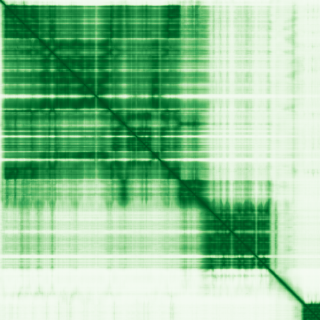
Mean pLDDT
80.1/ 100
Confident
1,108 residues
Confidence breakdown
- Very high(≥ 90)42%
- Confident(70–90)42%
- Low(50–70)4%
- Very low(< 50)13%
AlphaFold (Jumper et al., 2021) · CC BY 4.0
myosin IE
Annotations refreshed 9 hours ago.
Diagnostic Grade (Green)
Proteinuric renal disease
BIALLELIC, autosomal or pseudoautosomalUnexplained kidney failure in young people
BIALLELIC, autosomal or pseudoautosomalfamilial idiopathic steroid-resistant nephrotic syndrome
focal segmental glomerulosclerosis
nephrotic syndrome
benign neoplasm of eye
neurodegenerative disease
Abnormal pupillary function
disease of peritoneum
Dupuytren Contracture
head injury
tooth disorder
Score is the Open Targets composite evidence score (0-1). Higher = stronger gene-disease association.
Unconventional myosin-Ie
Actin-based motor molecule with ATPase activity (PubMed:11940582, PubMed:36316095). Unconventional myosins serve in intracellular movements. Their highly divergent tails bind to membranous compartments, which are then moved relative to actin filaments. Binds to membranes containing anionic phospholipids via its tail domain. Involved in clathrin-mediated endocytosis and intracellular movement of clathrin-coated vesicles (PubMed:36316095). Required for normal morphology of the glomerular basement membrane, normal development of foot processes by kidney podocytes and normal kidney function. In dendritic cells, may control the movement of class II-containing cytoplasmic vesicles along the actin cytoskeleton by connecting them with the actin network via ARL14EP and ARL14
Curated MONDO disease pages that list MYO1E among their top associated genes.
MYO1E · Q12965

Mean pLDDT
80.1/ 100
Confident
1,108 residues
Confidence breakdown
AlphaFold (Jumper et al., 2021) · CC BY 4.0