
AlphaFold predicted structure
NAA60 · Q9H7X0
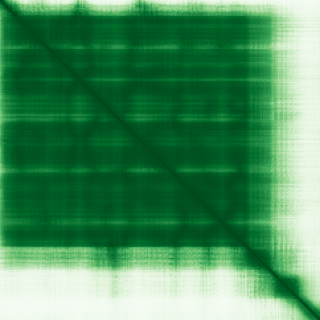
Mean pLDDT
88.3/ 100
Confident
242 residues
Confidence breakdown
- Very high(≥ 90)72%
- Confident(70–90)15%
- Low(50–70)6%
- Very low(< 50)7%
Open interactive 3D viewer
AlphaFold (Jumper et al., 2021) · CC BY 4.0
N-alpha-acetyltransferase 60, NatF catalytic subunit
Annotations refreshed 2 months ago.
Diagnostic Grade (Green)
Adult onset neurodegenerative disorder
BIALLELIC, autosomal or pseudoautosomalHereditary ataxia with onset in adulthood
BIALLELIC, autosomal or pseudoautosomalWhite matter disorders and cerebral calcification - narrow panel
BIALLELIC, autosomal or pseudoautosomalIntellectual disability
BIALLELIC, autosomal or pseudoautosomalbasal ganglia calcification, idiopathic, 9, autosomal recessive
bilateral striopallidodentate calcinosis
neurodegenerative disease
infection
cleft lip
cleft palate
cancer
gestational diabetes
type 2 diabetes mellitus
colorectal carcinoma
Score is the Open Targets composite evidence score (0-1). Higher = stronger gene-disease association.
N-alpha-acetyltransferase 60
N-alpha-acetyltransferase that specifically mediates the acetylation of N-terminal residues of the transmembrane proteins, with a strong preference for N-termini facing the cytosol (PubMed:25732826, PubMed:38480682). Displays N-terminal acetyltransferase activity towards a range of N-terminal sequences including those starting with Met-Lys, Met-Val, Met-Ala and Met-Met (PubMed:21750686, PubMed:25732826, PubMed:27320834, PubMed:27550639). Required for normal chromosomal segregation during anaphase (PubMed:21750686). May also show histone acetyltransferase activity; such results are however unclear in vivo and would require additional experimental evidences (PubMed:21981917)
NAA60 · Q9H7X0
Mean pLDDT
88.3/ 100
Confident
242 residues
Confidence breakdown
AlphaFold (Jumper et al., 2021) · CC BY 4.0