
AlphaFold predicted structure
NAGS · Q8N159
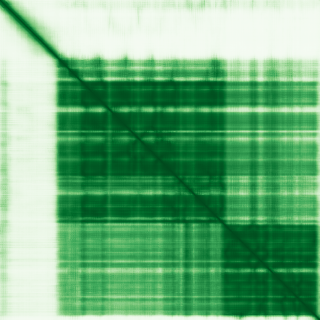
Mean pLDDT
79.8/ 100
Confident
534 residues
Confidence breakdown
- Very high(≥ 90)55%
- Confident(70–90)23%
- Low(50–70)4%
- Very low(< 50)18%
Open interactive 3D viewer
AlphaFold (Jumper et al., 2021) · CC BY 4.0
N-acetylglutamate synthase
Annotations refreshed 2 months ago.
Diagnostic Grade (Green)
DDG2P
BIALLELIC, autosomal or pseudoautosomalHyperammonaemia
BIALLELIC, autosomal or pseudoautosomalLikely inborn error of metabolism
BIALLELIC, autosomal or pseudoautosomalUndiagnosed metabolic disorders
BIALLELIC, autosomal or pseudoautosomalIntellectual disability
BIALLELIC, autosomal or pseudoautosomalChildhood onset dystonia, chorea or related movement disorder
Fetal anomalies
BIALLELIC, autosomal or pseudoautosomalhyperammonemia due to N-acetylglutamate synthase deficiency
Hyperammonemia due to N-acetylglutamate synthetase deficiency
hereditary disease
neurodegenerative disease
Esophageal atresia
pyloric stenosis
glioblastoma
gastric adenocarcinoma
lung adenocarcinoma
metabolic syndrome
Score is the Open Targets composite evidence score (0-1). Higher = stronger gene-disease association.
N-acetylglutamate synthase, mitochondrial
Plays a role in the regulation of ureagenesis by producing the essential cofactor N-acetylglutamate (NAG), thus modulating carbamoylphosphate synthase I (CPS1) activity
NAGS · Q8N159
Mean pLDDT
79.8/ 100
Confident
534 residues
Confidence breakdown
AlphaFold (Jumper et al., 2021) · CC BY 4.0