
AlphaFold predicted structure
NARS2 · Q96I59
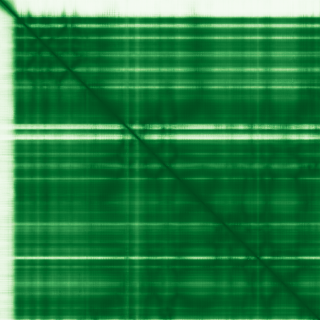
Mean pLDDT
91.4/ 100
Very high
477 residues
Confidence breakdown
- Very high(≥ 90)81%
- Confident(70–90)12%
- Low(50–70)3%
- Very low(< 50)5%
Open interactive 3D viewer
AlphaFold (Jumper et al., 2021) · CC BY 4.0
asparaginyl-tRNA synthetase 2, mitochondrial
Annotations refreshed 2 months ago.
Diagnostic Grade (Green)
DDG2P
BIALLELIC, autosomal or pseudoautosomalEarly onset or syndromic epilepsy
BIALLELIC, autosomal or pseudoautosomalLikely inborn error of metabolism
BIALLELIC, autosomal or pseudoautosomalMitochondrial disorders
BIALLELIC, autosomal or pseudoautosomalPossible mitochondrial disorder - nuclear genes
BIALLELIC, autosomal or pseudoautosomalUndiagnosed metabolic disorders
BIALLELIC, autosomal or pseudoautosomalMonogenic hearing loss
BIALLELIC, autosomal or pseudoautosomalChildhood onset dystonia, chorea or related movement disorder
Combined oxidative phosphorylation defect type 24
hearing loss, autosomal recessive
neurodegenerative disease
mitochondrial disease
inborn mitochondrial metabolism disorder
DEND syndrome
Seizure
hepatoencephalopathy due to combined oxidative phosphorylation defect type 1
kidney failure
chronic kidney disease
Score is the Open Targets composite evidence score (0-1). Higher = stronger gene-disease association.
Asparaginyl-tRNA synthetase
Mitochondrial aminoacyl-tRNA synthetase that catalyzes the specific attachment of the asparagine amino acid (aa) to the homologous transfer RNA (tRNA), further participating in protein synthesis (PubMed:25385316). The reaction occurs in a two steps: asparagine is first activated by ATP to form Asn-AMP and then transferred to the acceptor end of tRNA(Asn) (Probable)
NARS2 · Q96I59
Mean pLDDT
91.4/ 100
Very high
477 residues
Confidence breakdown
AlphaFold (Jumper et al., 2021) · CC BY 4.0