
AlphaFold predicted structure
NCF4 · Q15080
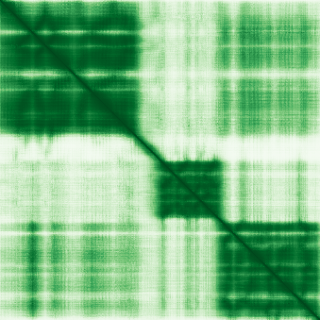
Mean pLDDT
84.2/ 100
Confident
339 residues
Confidence breakdown
- Very high(≥ 90)48%
- Confident(70–90)38%
- Low(50–70)9%
- Very low(< 50)5%
Open interactive 3D viewer
AlphaFold (Jumper et al., 2021) · CC BY 4.0
neutrophil cytosolic factor 4
Annotations refreshed 2 months ago.
Diagnostic Grade (Green)
COVID-19 research
BIALLELIC, autosomal or pseudoautosomalPrimary immunodeficiency or monogenic inflammatory bowel disease
BIALLELIC, autosomal or pseudoautosomalGastrointestinal epithelial barrier disorders
BIALLELIC, autosomal or pseudoautosomalInfantile enterocolitis & monogenic inflammatory bowel disease
BIALLELIC, autosomal or pseudoautosomalchronic granulomatous disease
inflammatory bowel disease
Crohn disease
dermatitis
psoriasis
atopic eczema
asthma
multiple sclerosis
respiratory system disorder
Eczematoid dermatitis
Score is the Open Targets composite evidence score (0-1). Higher = stronger gene-disease association.
Neutrophil cytosol factor 4
Subunit of the phagocyte NADPH oxidase complex that mediates the transfer of electrons from cytosolic NADPH to O2 to produce the superoxide anion (O2(-)) (Probable). In the activated complex, electrons are first transferred from NADPH to flavin adenine dinucleotide (FAD) and subsequently transferred via two heme molecules to molecular oxygen, producing superoxide through an outer-sphere reaction (By similarity). Activation of the NADPH oxidase complex is initiated by the assembly of cytosolic subunits of the NADPH oxidase complex with the core NADPH oxidase complex to form a complex at the plasma membrane or phagosomal membrane (By similarity). This activation process is initiated by phosphorylation dependent binding of the cytosolic NCF1/p47-phox subunit to the C-terminus of CYBA/p22-phox (By similarity)
NCF4 · Q15080
Mean pLDDT
84.2/ 100
Confident
339 residues
Confidence breakdown
AlphaFold (Jumper et al., 2021) · CC BY 4.0