Skip to content
GenoLensGenoLens

NDUFAF2

Chr 5q12.1

NADH:ubiquinone oxidoreductase complex assembly factor 2

Aliases:
B17.2L, MMTN, mimitin
MANE:
ENST00000296597.10

Annotations refreshed 1 month ago.

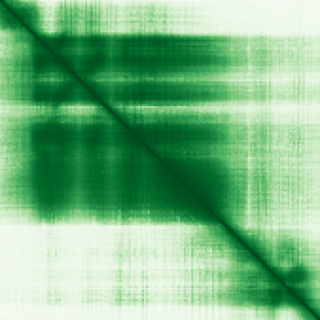
Predicted protein structure

Clinical relevance (Genomics England PanelApp)

Diagnostic Grade (Green)

  • DDG2P

    BIALLELIC, autosomal or pseudoautosomal
  • Early onset or syndromic epilepsy

    BIALLELIC, autosomal or pseudoautosomal
  • Likely inborn error of metabolism

    BIALLELIC, autosomal or pseudoautosomal
  • Mitochondrial disorder with complex I deficiency

    BIALLELIC, autosomal or pseudoautosomal
  • Mitochondrial disorders

    BIALLELIC, autosomal or pseudoautosomal
  • Possible mitochondrial disorder - nuclear genes

    BIALLELIC, autosomal or pseudoautosomal
  • Structural basal ganglia disorders

    BIALLELIC, autosomal or pseudoautosomal
  • Undiagnosed metabolic disorders

    BIALLELIC, autosomal or pseudoautosomal

+6 more panels — install the extension to see the full list inline on any page.

Disease associations (Open Targets)

  • mitochondrial complex I deficiency

    0.75
  • Leigh syndrome

    0.73
  • mitochondrial complex I deficiency, nuclear type 10

    0.66
  • mitochondrial complex I deficiency, nuclear type 1

    0.64
  • type 2 diabetes mellitus

    0.61
  • diabetes mellitus

    0.58
  • polycystic ovary syndrome

    0.42
  • hereditary disease

    0.41
  • gestational diabetes

    0.41
  • Insulin resistance

    0.40

Score is the Open Targets composite evidence score (0-1). Higher = stronger gene-disease association.

Protein function (UniProt)

NADH dehydrogenase [ubiquinone] 1 alpha subcomplex assembly factor 2

Acts as a molecular chaperone for mitochondrial complex I assembly (PubMed:16200211, PubMed:19384974). Complex I functions in the transfer of electrons from NADH to the respiratory chain. The immediate electron acceptor for the enzyme is believed to be ubiquinone (PubMed:16200211, PubMed:27626371). Is involved in the initial steps of cilia formation, including removal of CP110 from the mother centrioles, docking of membrane vesicles to the mother centrioles, and establishment of the transition zone (PubMed:38949024)

Curated MONDO disease pages that list NDUFAF2 among their top associated genes.

Data sources: HGNC (CC BY 4.0), AlphaFold (CC BY 4.0, Jumper et al. Nature 2021), Genomics England PanelApp (CC BY 4.0), ClinGen, Open Targets (CC0), UniProt.

Not for sole clinical decision-making. Always verify against primary sources.