AlphaFold predicted structure
NDUFAF4 · Q9P032
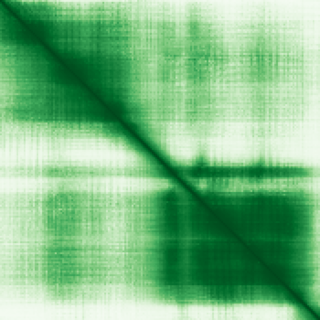
Mean pLDDT
83.1/ 100
Confident
175 residues
Confidence breakdown
- Very high(≥ 90)43%
- Confident(70–90)37%
- Low(50–70)18%
- Very low(< 50)2%
AlphaFold (Jumper et al., 2021) · CC BY 4.0
NADH:ubiquinone oxidoreductase complex assembly factor 4
Annotations refreshed 1 month ago.
Diagnostic Grade (Green)
Likely inborn error of metabolism
BIALLELIC, autosomal or pseudoautosomalMitochondrial disorder with complex I deficiency
BIALLELIC, autosomal or pseudoautosomalMitochondrial disorders
BIALLELIC, autosomal or pseudoautosomalPossible mitochondrial disorder - nuclear genes
BIALLELIC, autosomal or pseudoautosomalUndiagnosed metabolic disorders
BIALLELIC, autosomal or pseudoautosomalEarly onset or syndromic epilepsy
BIALLELIC, autosomal or pseudoautosomalOptic neuropathy
BIALLELIC, autosomal or pseudoautosomalPaediatric or syndromic cardiomyopathy
BIALLELIC, autosomal or pseudoautosomal+1 more panels — install the extension to see the full list inline on any page.
mitochondrial complex I deficiency
type 2 diabetes mellitus
inborn mitochondrial metabolism disorder
mitochondrial disease
mitochondrial complex I deficiency, nuclear type 15
diabetes mellitus
mitochondrial complex I deficiency, nuclear type 1
neurodegenerative disease
polycystic ovary syndrome
gestational diabetes
Score is the Open Targets composite evidence score (0-1). Higher = stronger gene-disease association.
NADH dehydrogenase [ubiquinone] 1 alpha subcomplex assembly factor 4
Involved in the assembly of mitochondrial NADH:ubiquinone oxidoreductase complex (complex I) (PubMed:18179882, PubMed:28853723). May be involved in cell proliferation and survival of hormone-dependent tumor cells. May be a regulator of breast tumor cell invasion
Curated MONDO disease pages that list NDUFAF4 among their top associated genes.
NDUFAF4 · Q9P032

Mean pLDDT
83.1/ 100
Confident
175 residues
Confidence breakdown
AlphaFold (Jumper et al., 2021) · CC BY 4.0