
AlphaFold predicted structure
NDUFB3 · O43676
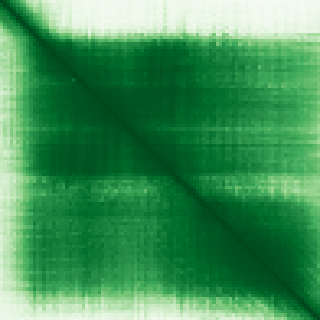
Mean pLDDT
86.9/ 100
Confident
98 residues
Confidence breakdown
- Very high(≥ 90)68%
- Confident(70–90)17%
- Low(50–70)5%
- Very low(< 50)9%
Open interactive 3D viewer
AlphaFold (Jumper et al., 2021) · CC BY 4.0
NADH:ubiquinone oxidoreductase subunit B3
Annotations refreshed 2 months ago.
Diagnostic Grade (Green)
DDG2P
BIALLELIC, autosomal or pseudoautosomalFetal anomalies
BIALLELIC, autosomal or pseudoautosomalLikely inborn error of metabolism
BIALLELIC, autosomal or pseudoautosomalMitochondrial disorder with complex I deficiency
BIALLELIC, autosomal or pseudoautosomalMitochondrial disorders
BIALLELIC, autosomal or pseudoautosomalPossible mitochondrial disorder - nuclear genes
BIALLELIC, autosomal or pseudoautosomalUndiagnosed metabolic disorders
BIALLELIC, autosomal or pseudoautosomalPaediatric or syndromic cardiomyopathy
BIALLELIC, autosomal or pseudoautosomal+1 more panels — install the extension to see the full list inline on any page.
mitochondrial complex I deficiency, nuclear type 25
mitochondrial complex I deficiency
type 2 diabetes mellitus
diabetes mellitus
hereditary disease
polycystic ovary syndrome
gestational diabetes
Insulin resistance
prediabetes syndrome
type 1 diabetes mellitus
Score is the Open Targets composite evidence score (0-1). Higher = stronger gene-disease association.
NADH dehydrogenase [ubiquinone] 1 beta subcomplex subunit 3
Accessory subunit of the mitochondrial membrane respiratory chain NADH dehydrogenase (Complex I), that is believed not to be involved in catalysis. Complex I functions in the transfer of electrons from NADH to the respiratory chain. The immediate electron acceptor for the enzyme is believed to be ubiquinone
NDUFB3 · O43676
Mean pLDDT
86.9/ 100
Confident
98 residues
Confidence breakdown
AlphaFold (Jumper et al., 2021) · CC BY 4.0