Skip to content
GenoLensGenoLens

NDUFS6

Chr 5p15.33

NADH:ubiquinone oxidoreductase subunit S6

Aliases:
CI-13kA
MANE:
ENST00000274137.10

Annotations refreshed 10 hours ago.

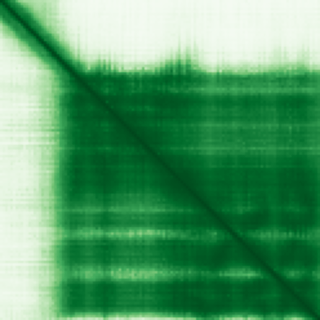
Predicted protein structure

Clinical relevance (Genomics England PanelApp)

Diagnostic Grade (Green)

  • Hereditary neuropathy or pain disorder

    BIALLELIC, autosomal or pseudoautosomal
  • Likely inborn error of metabolism

    BIALLELIC, autosomal or pseudoautosomal
  • Mitochondrial disorder with complex I deficiency

    BIALLELIC, autosomal or pseudoautosomal
  • Mitochondrial disorders

    BIALLELIC, autosomal or pseudoautosomal
  • Possible mitochondrial disorder - nuclear genes

    BIALLELIC, autosomal or pseudoautosomal
  • Undiagnosed metabolic disorders

    BIALLELIC, autosomal or pseudoautosomal
  • Early onset or syndromic epilepsy

    BIALLELIC, autosomal or pseudoautosomal
  • Paediatric or syndromic cardiomyopathy

    BIALLELIC, autosomal or pseudoautosomal

+1 more panels — install the extension to see the full list inline on any page.

Disease associations (Open Targets)

  • mitochondrial complex I deficiency

    0.75
  • mitochondrial complex I deficiency, nuclear type 9

    0.68
  • type 2 diabetes mellitus

    0.61
  • mitochondrial disease

    0.60
  • inborn mitochondrial metabolism disorder

    0.60
  • diabetes mellitus

    0.58
  • mitochondrial complex I deficiency, nuclear type 1

    0.56
  • neurodegenerative disease

    0.52
  • polycystic ovary syndrome

    0.42
  • gestational diabetes

    0.41

Score is the Open Targets composite evidence score (0-1). Higher = stronger gene-disease association.

Protein function (UniProt)

NADH dehydrogenase [ubiquinone] iron-sulfur protein 6, mitochondrial

Accessory subunit of the mitochondrial membrane respiratory chain NADH dehydrogenase (Complex I), that is believed not to be involved in catalysis. Complex I functions in the transfer of electrons from NADH to the respiratory chain. The immediate electron acceptor for the enzyme is believed to be ubiquinone

Data sources: HGNC (CC BY 4.0), AlphaFold (CC BY 4.0, Jumper et al. Nature 2021), Genomics England PanelApp (CC BY 4.0), ClinGen, Open Targets (CC0), UniProt.

Not for sole clinical decision-making. Always verify against primary sources.