Skip to content
GenoLensGenoLens

NDUFS8

Chr 11q13.2

NADH:ubiquinone oxidoreductase core subunit S8

Aliases:
TYKY, CI-23k
MANE:
ENST00000313468.10

Annotations refreshed 1 month ago.

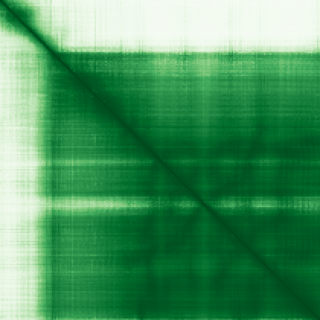
Predicted protein structure

Clinical relevance (Genomics England PanelApp)

Diagnostic Grade (Green)

  • Childhood onset dystonia, chorea or related movement disorder

    BIALLELIC, autosomal or pseudoautosomal
  • DDG2P

    BIALLELIC, autosomal or pseudoautosomal
  • Early onset or syndromic epilepsy

    BIALLELIC, autosomal or pseudoautosomal
  • Inherited white matter disorders

    BIALLELIC, autosomal or pseudoautosomal
  • Intellectual disability

    BIALLELIC, autosomal or pseudoautosomal
  • Likely inborn error of metabolism

    BIALLELIC, autosomal or pseudoautosomal
  • Mitochondrial disorder with complex I deficiency

    BIALLELIC, autosomal or pseudoautosomal
  • Mitochondrial disorders

    BIALLELIC, autosomal or pseudoautosomal

+7 more panels — install the extension to see the full list inline on any page.

Disease associations (Open Targets)

  • mitochondrial complex I deficiency

    0.76
  • mitochondrial complex I deficiency, nuclear type 2

    0.71
  • Leigh syndrome

    0.65
  • type 2 diabetes mellitus

    0.61
  • inborn mitochondrial metabolism disorder

    0.60
  • mitochondrial disease

    0.60
  • diabetes mellitus

    0.58
  • neurodegenerative disease

    0.57
  • Leigh syndrome with cardiomyopathy

    0.56
  • maternally-inherited Leigh syndrome

    0.56

Score is the Open Targets composite evidence score (0-1). Higher = stronger gene-disease association.

Protein function (UniProt)

NADH dehydrogenase [ubiquinone] iron-sulfur protein 8, mitochondrial

Core subunit of the mitochondrial membrane respiratory chain NADH dehydrogenase (Complex I) which catalyzes electron transfer from NADH through the respiratory chain, using ubiquinone as an electron acceptor (PubMed:22499348). Essential for the catalytic activity and assembly of complex I (PubMed:22499348)

Data sources: HGNC (CC BY 4.0), AlphaFold (CC BY 4.0, Jumper et al. Nature 2021), Genomics England PanelApp (CC BY 4.0), ClinGen, Open Targets (CC0), UniProt.

Not for sole clinical decision-making. Always verify against primary sources.