Skip to content
GenoLensGenoLens

NECTIN1

Chr 11q23.3

nectin cell adhesion molecule 1

Aliases:
PRR, PRR1, PVRR1, SK-12, HIgR
MANE:
ENST00000264025.8

Annotations refreshed 10 hours ago.

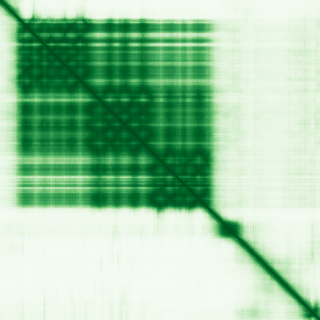
Predicted protein structure

Clinical relevance (Genomics England PanelApp)

Diagnostic Grade (Green)

  • Clefting

    BIALLELIC, autosomal or pseudoautosomal
  • DDG2P

    BIALLELIC, autosomal or pseudoautosomal
  • Ectodermal dysplasia

    BIALLELIC, autosomal or pseudoautosomal
  • Ectodermal dysplasia without a known gene mutation

    BIALLELIC, autosomal or pseudoautosomal
  • Fetal anomalies

    BIALLELIC, autosomal or pseudoautosomal
  • COVID-19 research

    Unknown
  • Intellectual disability

Disease associations (Open Targets)

  • cleft lip/palate-ectodermal dysplasia syndrome

    0.81
  • Zlotogora-Ogur syndrome

    0.79
  • orofacial cleft 7

    0.61
  • cleft lip

    0.48
  • systemic inflammatory response syndrome

    0.30
  • ocular hypotension

    0.30
  • mathematical ability

    0.30
  • Headache

    0.24
  • Abdominal pain

    0.24
  • Limb pain

    0.24

Score is the Open Targets composite evidence score (0-1). Higher = stronger gene-disease association.

Protein function (UniProt)

Nectin-1

Cell adhesion molecule that promotes cell-cell contacts and plays important roles in the development of the nervous system (PubMed:21325282). Acts by forming homophilic or heterophilic trans-dimers (PubMed:21325282). Heterophilic interactions have been detected between NECTIN1 and NECTIN3 and between NECTIN1 and NECTIN4 (By similarity). Involved in axon guidance by promoting contacts between the commissural axons and the floor plate cells (By similarity). Involved in synaptogegesis (By similarity). Has some neurite outgrowth-promoting activity (By similarity). Promotes formation of checkerboard-like cellular pattern of hair cells and supporting cells in the auditory epithelium via heterophilic interaction with NECTIN3: NECTIN1 is present in the membrane of hair cells and associates with NECTIN3 on supporting cells, thereby mediating heterotypic adhesion between these two cell types (By similarity). Required for enamel mineralization (By similarity)

Data sources: HGNC (CC BY 4.0), AlphaFold (CC BY 4.0, Jumper et al. Nature 2021), Genomics England PanelApp (CC BY 4.0), ClinGen, Open Targets (CC0), UniProt.

Not for sole clinical decision-making. Always verify against primary sources.