
AlphaFold predicted structure
NEU1 · Q99519
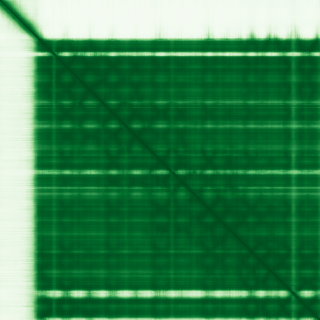
Mean pLDDT
89.1/ 100
Confident
415 residues
Confidence breakdown
- Very high(≥ 90)81%
- Confident(70–90)6%
- Low(50–70)3%
- Very low(< 50)11%
Open interactive 3D viewer
AlphaFold (Jumper et al., 2021) · CC BY 4.0
neuraminidase 1
Annotations refreshed 2 months ago.
Diagnostic Grade (Green)
Ataxia and cerebellar anomalies - narrow panel
BIALLELIC, autosomal or pseudoautosomalDDG2P
BIALLELIC, autosomal or pseudoautosomalFetal anomalies
BIALLELIC, autosomal or pseudoautosomalFetal hydrops
BIALLELIC, autosomal or pseudoautosomalHereditary ataxia with onset in adulthood
BIALLELIC, autosomal or pseudoautosomalIntellectual disability
BIALLELIC, autosomal or pseudoautosomalLikely inborn error of metabolism
BIALLELIC, autosomal or pseudoautosomalLysosomal storage disorder
BIALLELIC, autosomal or pseudoautosomal+7 more panels — install the extension to see the full list inline on any page.
sialidosis
sialidosis type 2
sialidosis type II
sialidosis type I
sialidosis type 1
neurodegenerative disease
Alzheimer disease
Parkinson disease
lysosomal storage disease
cerebellar ataxia
Score is the Open Targets composite evidence score (0-1). Higher = stronger gene-disease association.
Sialidase-1
Lysosomal exo-alpha-sialidase that catalyzes the removal of sialic acid (N-acetylneuraminic acid) moieties from glycoproteins and glycolipids. To be active, it is strictly dependent on its presence in the multienzyme complex (PubMed:14695530, PubMed:25153125, PubMed:37205763, PubMed:8985184, PubMed:9054950). Appears to have a preference for alpha 2-3 and alpha 2-6 sialyl linkage
Curated MONDO disease pages that list NEU1 among their top associated genes.
NEU1 · Q99519
Mean pLDDT
89.1/ 100
Confident
415 residues
Confidence breakdown
AlphaFold (Jumper et al., 2021) · CC BY 4.0