
AlphaFold predicted structure
NEUROD1 · Q13562
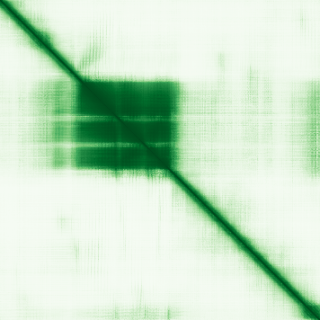
Mean pLDDT
62.1/ 100
Low
356 residues
Confidence breakdown
- Very high(≥ 90)24%
- Confident(70–90)5%
- Low(50–70)27%
- Very low(< 50)44%
Open interactive 3D viewer
AlphaFold (Jumper et al., 2021) · CC BY 4.0
neuronal differentiation 1
Annotations refreshed 2 months ago.
Diagnostic Grade (Green)
Diabetes with additional phenotypes suggestive of a monogenic aetiology
BOTH monoallelic and biallelic, autosomal or pseudoautosomalFamilial diabetes
BOTH monoallelic and biallelic, autosomal or pseudoautosomalMonogenic diabetes
BOTH monoallelic and biallelic, autosomal or pseudoautosomalNeonatal diabetes
BIALLELIC, autosomal or pseudoautosomalRetinal disorders
BIALLELIC, autosomal or pseudoautosomalFetal anomalies
BIALLELIC, autosomal or pseudoautosomalMonogenic hearing loss
Multi-organ autoimmune diabetes
BOTH monoallelic and biallelic, autosomal or pseudoautosomalmaturity-onset diabetes of the young type 6
type 2 diabetes mellitus
MODY
neurodegenerative disease
maturity-onset diabetes of the young
retinitis pigmentosa
permanent neonatal diabetes mellitus-pancreatic and cerebellar agenesis syndrome
permanent neonatal diabetes mellitus
Permanent neonatal diabetes mellitus - pancreatic and cerebellar agenesis
retinal disorder
Score is the Open Targets composite evidence score (0-1). Higher = stronger gene-disease association.
Neurogenic differentiation factor 1
Acts as a transcriptional activator: mediates transcriptional activation by binding to E box-containing promoter consensus core sequences 5'-CANNTG-3'. Associates with the p300/CBP transcription coactivator complex to stimulate transcription of the secretin gene as well as the gene encoding the cyclin-dependent kinase inhibitor CDKN1A. Contributes to the regulation of several cell differentiation pathways, like those that promote the formation of early retinal ganglion cells, inner ear sensory neurons, granule cells forming either the cerebellum or the dentate gyrus cell layer of the hippocampus, endocrine islet cells of the pancreas and enteroendocrine cells of the small intestine. Together with PAX6 or SIX3, is required for the regulation of amacrine cell fate specification. Also required for dendrite morphogenesis and maintenance in the cerebellar cortex. Associates with chromatin to enhancer regulatory elements in genes encoding key transcriptional regulators of neurogenesis (By similarity)
NEUROD1 · Q13562
Mean pLDDT
62.1/ 100
Low
356 residues
Confidence breakdown
AlphaFold (Jumper et al., 2021) · CC BY 4.0