Skip to content
GenoLensGenoLens

NF1

Chr 17q11.2

neurofibromin 1

MANE:
ENST00000358273.9

Annotations refreshed 1 month ago.

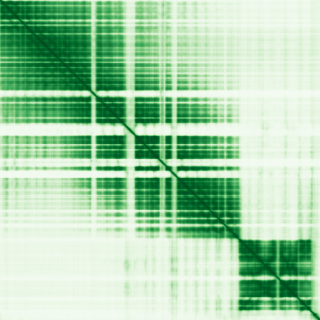
Predicted protein structure

Clinical relevance (Genomics England PanelApp)

Diagnostic Grade (Green)

  • Adult solid tumours cancer susceptibility

    MONOALLELIC, autosomal or pseudoautosomal, imprinted status unknown
  • Adult solid tumours for rare disease

    MONOALLELIC, autosomal or pseudoautosomal, imprinted status unknown
  • Childhood solid tumours

    MONOALLELIC, autosomal or pseudoautosomal, imprinted status unknown
  • Childhood solid tumours cancer susceptibility

    MONOALLELIC, autosomal or pseudoautosomal, imprinted status unknown
  • DDG2P

    MONOALLELIC, autosomal or pseudoautosomal, imprinted status unknown
  • Familial rhabdomyosarcoma

    MONOALLELIC, autosomal or pseudoautosomal, imprinted status unknown
  • Familial Tumours Syndromes of the central & peripheral Nervous system

    MONOALLELIC, autosomal or pseudoautosomal, NOT imprinted
  • Fetal anomalies

    MONOALLELIC, autosomal or pseudoautosomal, imprinted status unknown

+25 more panels — install the extension to see the full list inline on any page.

Disease associations (Open Targets)

  • neurofibromatosis type 1

    0.89
  • neurofibromatosis-Noonan syndrome

    0.84
  • neurofibromatosis

    0.82
  • juvenile myelomonocytic leukemia

    0.77
  • Watson syndrome

    0.76
  • neurofibromatosis, familial spinal

    0.73
  • malignant peripheral nerve sheath tumor

    0.69
  • Neurofibromatosis type 1 due to NF1mutation or intragenic deletion

    0.68
  • Tibial pseudarthrosis

    0.67
  • neurocutaneous syndrome

    0.66

Score is the Open Targets composite evidence score (0-1). Higher = stronger gene-disease association.

Protein function (UniProt)

Neurofibromin

Stimulates the GTPase activity of Ras. NF1 shows greater affinity for Ras GAP, but lower specific activity. May be a regulator of Ras activity

Curated MONDO disease pages that list NF1 among their top associated genes.

Data sources: HGNC (CC BY 4.0), AlphaFold (CC BY 4.0, Jumper et al. Nature 2021), Genomics England PanelApp (CC BY 4.0), ClinGen, Open Targets (CC0), UniProt.

Not for sole clinical decision-making. Always verify against primary sources.