
AlphaFold predicted structure
NGF · P01138
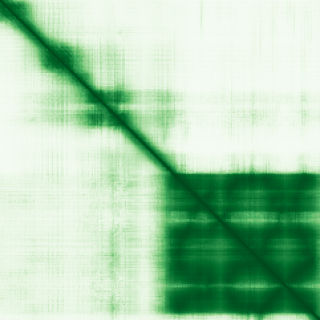
Mean pLDDT
73.3/ 100
Confident
241 residues
Confidence breakdown
- Very high(≥ 90)37%
- Confident(70–90)22%
- Low(50–70)21%
- Very low(< 50)21%
Open interactive 3D viewer
AlphaFold (Jumper et al., 2021) · CC BY 4.0
nerve growth factor
Annotations refreshed 2 months ago.
Diagnostic Grade (Green)
Familial dysautonomia
BIALLELIC, autosomal or pseudoautosomalHereditary neuropathy
BIALLELIC, autosomal or pseudoautosomalHereditary neuropathy or pain disorder
BIALLELIC, autosomal or pseudoautosomalPain syndromes
BIALLELIC, autosomal or pseudoautosomalIntellectual disability
Paroxysmal central nervous system disorders
BIALLELIC, autosomal or pseudoautosomalhereditary sensory and autonomic neuropathy type 5
osteoarthritis, knee
hypertensive disorder
Pain
osteoarthritis
angina pectoris
spinal stenosis
osteoarthritis, hip
essential hypertension
coronary artery disorder
Score is the Open Targets composite evidence score (0-1). Higher = stronger gene-disease association.
Beta-nerve growth factor
Nerve growth factor is important for the development and maintenance of the sympathetic and sensory nervous systems (PubMed:14976160, PubMed:20978020). Extracellular ligand for the NTRK1 and NGFR receptors, activates cellular signaling cascades to regulate neuronal proliferation, differentiation and survival (Probable) (PubMed:20978020). The immature NGF precursor (proNGF) functions as a ligand for the heterodimeric receptor formed by SORCS2 and NGFR, and activates cellular signaling cascades that lead to inactivation of RAC1 and/or RAC2, reorganization of the actin cytoskeleton and neuronal growth cone collapse. In contrast to mature NGF, the precursor form (proNGF) promotes neuronal apoptosis (in vitro) (By similarity). Inhibits metalloproteinase-dependent proteolysis of platelet glycoprotein VI (PubMed:20164177). Binds lysophosphatidylinositol and lysophosphatidylserine between the two chains of the homodimer. The lipid-bound form promotes histamine relase from mast cells, contrary to the lipid-free form (By similarity)
Curated MONDO disease pages that list NGF among their top associated genes.
NGF · P01138
Mean pLDDT
73.3/ 100
Confident
241 residues
Confidence breakdown
AlphaFold (Jumper et al., 2021) · CC BY 4.0