Skip to content
GenoLensGenoLens

NSMCE3

Chr 15q13.1

NSE3 component of SMC5/6 complex

Aliases:
HCA4, MAGEG1, MAGEL3, NSE3
MANE:
ENST00000332303.6

Annotations refreshed 1 month ago.

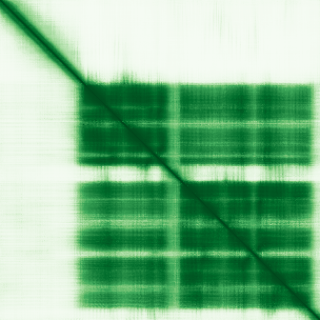
Predicted protein structure

Clinical relevance (Genomics England PanelApp)

Diagnostic Grade (Green)

  • COVID-19 research

    BIALLELIC, autosomal or pseudoautosomal
  • Primary immunodeficiency or monogenic inflammatory bowel disease

    BIALLELIC, autosomal or pseudoautosomal
  • DDG2P

    BIALLELIC, autosomal or pseudoautosomal

Disease associations (Open Targets)

  • lung disease, immunodeficiency, and chromosome breakage syndrome;

    0.70
  • placental abruption

    0.14
  • non-Hodgkin lymphoma

    0.09
  • pregnancy disorder

    0.08
  • cervical carcinoma

    0.08
  • ovarian neoplasm

    0.06
  • neuroendocrine neoplasm

    0.06
  • alcohol drinking

    0.06
  • urolithiasis

    0.06
  • diabetes mellitus

    0.04

Score is the Open Targets composite evidence score (0-1). Higher = stronger gene-disease association.

Protein function (UniProt)

Non-structural maintenance of chromosomes element 3 homolog

Component of the SMC5-SMC6 complex, a complex involved in repair of DNA double-strand breaks by homologous recombination (PubMed:20864041, PubMed:27427983). The complex may promote sister chromatid homologous recombination by recruiting the SMC1-SMC3 cohesin complex to double-strand breaks. The complex is required for telomere maintenance via recombination in ALT (alternative lengthening of telomeres) cell lines and mediates sumoylation of shelterin complex (telosome) components which is proposed to lead to shelterin complex disassembly in ALT-associated PML bodies (APBs). In vitro enhances ubiquitin ligase activity of NSMCE1. Proposed to act through recruitment and/or stabilization of the Ubl-conjugating enzyme (E2) at the E3:substrate complex (PubMed:20864041). May be a growth suppressor that facilitates the entry of the cell into cell cycle arrest (By similarity)

Data sources: HGNC (CC BY 4.0), AlphaFold (CC BY 4.0, Jumper et al. Nature 2021), Genomics England PanelApp (CC BY 4.0), ClinGen, Open Targets (CC0), UniProt.

Not for sole clinical decision-making. Always verify against primary sources.