Skip to content
GenoLensGenoLens

NUS1

Chr 6q22.1

NUS1 dehydrodolichyl diphosphate synthase subunit

Aliases:
MGC7199, NgBR, TANGO14
MANE:
ENST00000368494.4

Annotations refreshed 10 hours ago.

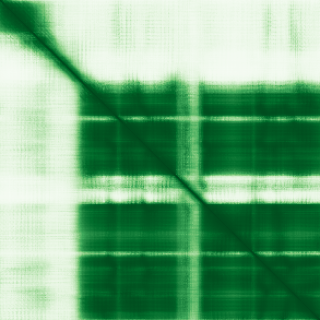
Predicted protein structure

Clinical relevance (Genomics England PanelApp)

Diagnostic Grade (Green)

  • Ataxia and cerebellar anomalies - narrow panel

    MONOALLELIC, autosomal or pseudoautosomal, NOT imprinted
  • Childhood onset dystonia, chorea or related movement disorder

    MONOALLELIC, autosomal or pseudoautosomal, NOT imprinted
  • DDG2P

    MONOALLELIC, autosomal or pseudoautosomal, imprinted status unknown
  • Early onset or syndromic epilepsy

    BOTH monoallelic and biallelic, autosomal or pseudoautosomal
  • Hereditary ataxia

    MONOALLELIC, autosomal or pseudoautosomal, NOT imprinted
  • Intellectual disability

    BOTH monoallelic and biallelic (but BIALLELIC mutations cause a more SEVERE disease form), autosomal or pseudoautosomal
  • Likely inborn error of metabolism

    MONOALLELIC, autosomal or pseudoautosomal, NOT imprinted
  • Fetal anomalies

    MONOALLELIC, autosomal or pseudoautosomal, imprinted status unknown

+1 more panels — install the extension to see the full list inline on any page.

Disease associations (Open Targets)

  • intellectual disability, autosomal dominant 55, with seizures

    0.71
  • congenital disorder of glycosylation type I

    0.60
  • type 2 diabetes mellitus

    0.50
  • hereditary disease

    0.47
  • hereditary ataxia

    0.46
  • Rare hereditary ataxia

    0.46
  • progressive myoclonus epilepsy

    0.38
  • movement disorder

    0.38
  • retinitis pigmentosa

    0.37
  • undetermined early-onset epileptic encephalopathy

    0.37

Score is the Open Targets composite evidence score (0-1). Higher = stronger gene-disease association.

Protein function (UniProt)

Dehydrodolichyl diphosphate synthase complex subunit NUS1

With DHDDS, forms the dehydrodolichyl diphosphate synthase (DDS) complex, an essential component of the dolichol monophosphate (Dol-P) biosynthetic machinery (PubMed:21572394, PubMed:25066056, PubMed:28842490, PubMed:32817466, PubMed:33077723). Both subunits contribute to enzymatic activity, i.e. condensation of multiple copies of isopentenyl pyrophosphate (IPP) to farnesyl pyrophosphate (FPP) to produce dehydrodolichyl diphosphate (Dedol-PP), a precursor of dolichol phosphate which is utilized as a sugar carrier in protein glycosylation in the endoplasmic reticulum (ER) (PubMed:21572394, PubMed:25066056, PubMed:28842490, PubMed:32817466, PubMed:33077723). Synthesizes long-chain polyprenols, mostly of C95 and C100 chain length (PubMed:32817466). Regulates the glycosylation and stability of nascent NPC2, thereby promoting trafficking of LDL-derived cholesterol (PubMed:21572394). Acts as a specific receptor for the N-terminus of Nogo-B, a neural and cardiovascular regulator (PubMed:16835300)

Data sources: HGNC (CC BY 4.0), AlphaFold (CC BY 4.0, Jumper et al. Nature 2021), Genomics England PanelApp (CC BY 4.0), ClinGen, Open Targets (CC0), UniProt.

Not for sole clinical decision-making. Always verify against primary sources.