Skip to content
GenoLensGenoLens

OBSL1

Chr 2q35

obscurin like cytoskeletal adaptor 1

Aliases:
KIAA0657
MANE:
ENST00000404537.6

Annotations refreshed 10 hours ago.

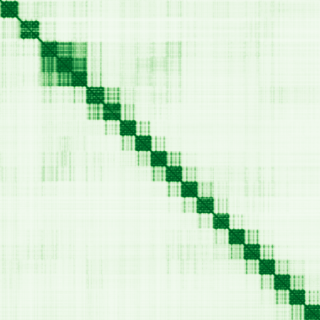
Predicted protein structure

Clinical relevance (Genomics England PanelApp)

Diagnostic Grade (Green)

  • DDG2P

    BIALLELIC, autosomal or pseudoautosomal
  • Fetal anomalies

    BIALLELIC, autosomal or pseudoautosomal
  • IUGR and IGF abnormalities

    BIALLELIC, autosomal or pseudoautosomal
  • Monogenic short stature

    BIALLELIC, autosomal or pseudoautosomal
  • Skeletal dysplasia

    BIALLELIC, autosomal or pseudoautosomal
  • Intellectual disability

    BIALLELIC, autosomal or pseudoautosomal
  • Osteogenesis imperfecta

Disease associations (Open Targets)

  • 3M syndrome

    0.78
  • 3-M syndrome

    0.46
  • Abnormality of the skeletal system

    0.40
  • Short stature

    0.27
  • type 2 diabetes mellitus

    0.26
  • diabetes mellitus

    0.26
  • hereditary disease

    0.19
  • central nervous system cancer

    0.05
  • cholelithiasis

    0.05
  • sialolithiasis

    0.05

Score is the Open Targets composite evidence score (0-1). Higher = stronger gene-disease association.

Protein function (UniProt)

Obscurin-like protein 1

Core component of the 3M complex, a complex required to regulate microtubule dynamics and genome integrity. It is unclear how the 3M complex regulates microtubules, it could act by controlling the level of a microtubule stabilizer (PubMed:24793695, PubMed:24793696). Acts as a regulator of the Cul7-RING(FBXW8) ubiquitin-protein ligase, playing a critical role in the ubiquitin ligase pathway that regulates Golgi morphogenesis and dendrite patterning in brain. Required to localize CUL7 to the Golgi apparatus in neurons

Data sources: HGNC (CC BY 4.0), AlphaFold (CC BY 4.0, Jumper et al. Nature 2021), Genomics England PanelApp (CC BY 4.0), ClinGen, Open Targets (CC0), UniProt.

Not for sole clinical decision-making. Always verify against primary sources.