AlphaFold predicted structure
OGDHL · Q9ULD0
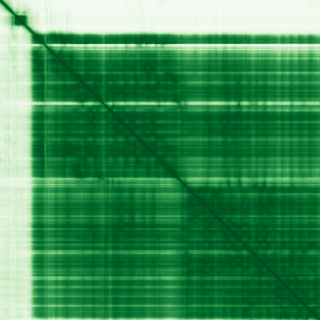
Mean pLDDT
90.1/ 100
Very high
1,010 residues
Confidence breakdown
- Very high(≥ 90)81%
- Confident(70–90)11%
- Low(50–70)2%
- Very low(< 50)7%
AlphaFold (Jumper et al., 2021) · CC BY 4.0
oxoglutarate dehydrogenase L
Annotations refreshed 9 hours ago.
Diagnostic Grade (Green)
Ataxia and cerebellar anomalies - narrow panel
BIALLELIC, autosomal or pseudoautosomalChildhood onset hereditary spastic paraplegia
BIALLELIC, autosomal or pseudoautosomalDDG2P
BIALLELIC, autosomal or pseudoautosomalEarly onset or syndromic epilepsy
BIALLELIC, autosomal or pseudoautosomalIntellectual disability
BIALLELIC, autosomal or pseudoautosomalMonogenic hearing loss
BIALLELIC, autosomal or pseudoautosomalYoon-Bellen neurodevelopmental syndrome
Abnormal brain morphology
cancer
stroke disorder
alcohol drinking
depressive disorder
hereditary disease
hepatocellular carcinoma
prostate carcinoma
nonpapillary renal cell carcinoma
Score is the Open Targets composite evidence score (0-1). Higher = stronger gene-disease association.
2-oxoglutarate dehydrogenase-like, mitochondrial
2-oxoglutarate dehydrogenase (E1-like) component of the 2-oxoglutarate dehydrogenase multienzyme complex (OGDHC) which mediates the decarboxylation of alpha-ketoglutarate in the tricarboxylic acid cycle. The OGDHC complex catalyzes the overall conversion of 2-oxoglutarate to succinyl-CoA and CO(2) while reducing NAD(+) to NADH (By similarity). The OGDHC complex is mainly active in the mitochondrion (By similarity). Involved in the inhibition of cell proliferation and in apoptosis (PubMed:23152800, PubMed:31175094)
OGDHL · Q9ULD0

Mean pLDDT
90.1/ 100
Very high
1,010 residues
Confidence breakdown
AlphaFold (Jumper et al., 2021) · CC BY 4.0