
AlphaFold predicted structure
OSGEP · Q9NPF4
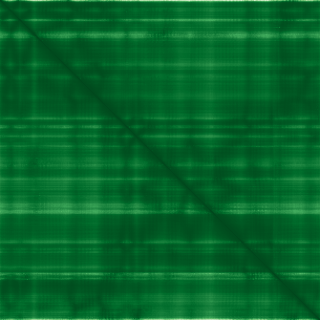
Mean pLDDT
96.6/ 100
Very high
335 residues
Confidence breakdown
- Very high(≥ 90)97%
- Confident(70–90)3%
- Low(50–70)0%
- Very low(< 50)0%
Open interactive 3D viewer
AlphaFold (Jumper et al., 2021) · CC BY 4.0
O-sialoglycoprotein endopeptidase
Annotations refreshed 2 months ago.
Diagnostic Grade (Green)
DDG2P
BIALLELIC, autosomal or pseudoautosomalFetal anomalies
BIALLELIC, autosomal or pseudoautosomalIntellectual disability
BIALLELIC, autosomal or pseudoautosomalMalformations of cortical development
BIALLELIC, autosomal or pseudoautosomalProteinuric renal disease
BIALLELIC, autosomal or pseudoautosomalSevere microcephaly
BIALLELIC, autosomal or pseudoautosomalGalloway-Mowat syndrome
neurodegenerative disease
hereditary disease
Intellectual disability
neurodevelopmental disorder
radioulnar synostosis with amegakaryocytic thrombocytopenia 2
nephrotic syndrome
retinitis pigmentosa
congenital glaucoma
early-onset non-syndromic cataract
Score is the Open Targets composite evidence score (0-1). Higher = stronger gene-disease association.
tRNA N6-adenosine threonylcarbamoyltransferase
Component of the EKC/KEOPS complex that is required for the formation of a threonylcarbamoyl group on adenosine at position 37 (t(6)A37) in tRNAs that read codons beginning with adenine. The complex is probably involved in the transfer of the threonylcarbamoyl moiety of threonylcarbamoyl-AMP (TC-AMP) to the N6 group of A37. OSGEP likely plays a direct catalytic role in this reaction, but requires other protein(s) of the complex to fulfill this activity
OSGEP · Q9NPF4
Mean pLDDT
96.6/ 100
Very high
335 residues
Confidence breakdown
AlphaFold (Jumper et al., 2021) · CC BY 4.0