
AlphaFold predicted structure
OXCT1 · P55809
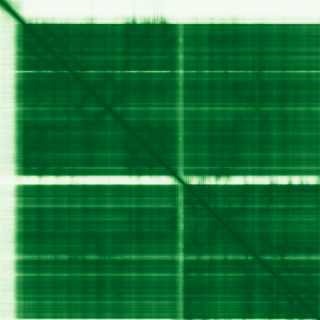
Mean pLDDT
91.9/ 100
Very high
520 residues
Confidence breakdown
- Very high(≥ 90)87%
- Confident(70–90)4%
- Low(50–70)3%
- Very low(< 50)7%
Open interactive 3D viewer
AlphaFold (Jumper et al., 2021) · CC BY 4.0
3-oxoacid CoA-transferase 1
Annotations refreshed 2 months ago.
Diagnostic Grade (Green)
DDG2P
BIALLELIC, autosomal or pseudoautosomalKetotic hypoglycaemia
BIALLELIC, autosomal or pseudoautosomalLikely inborn error of metabolism
BIALLELIC, autosomal or pseudoautosomalMitochondrial disorders
BIALLELIC, autosomal or pseudoautosomalPossible mitochondrial disorder - nuclear genes
BIALLELIC, autosomal or pseudoautosomalUndiagnosed metabolic disorders
BIALLELIC, autosomal or pseudoautosomalChildhood onset dystonia, chorea or related movement disorder
Fetal anomalies
BIALLELIC, autosomal or pseudoautosomal+1 more panels — install the extension to see the full list inline on any page.
succinyl-CoA:3-ketoacid CoA transferase deficiency
mitochondrial disease
inborn mitochondrial metabolism disorder
neurodegenerative disease
Ketonuria
supraventricular ectopy
alcohol drinking
placental abruption
sialadenitis
hereditary disease
Score is the Open Targets composite evidence score (0-1). Higher = stronger gene-disease association.
Succinyl-CoA:3-ketoacid coenzyme A transferase 1, mitochondrial
Key enzyme for ketone body catabolism. Catalyzes the first, rate-limiting step of ketone body utilization in extrahepatic tissues, by transferring coenzyme A (CoA) from a donor thiolester species (succinyl-CoA) to an acceptor carboxylate (acetoacetate), and produces acetoacetyl-CoA. Acetoacetyl-CoA is further metabolized by acetoacetyl-CoA thiolase into two acetyl-CoA molecules which enter the citric acid cycle for energy production (PubMed:10964512). Forms a dimeric enzyme where both of the subunits are able to form enzyme-CoA thiolester intermediates, but only one subunit is competent to transfer the CoA moiety to the acceptor carboxylate (3-oxo acid) and produce a new acyl-CoA. Formation of the enzyme-CoA intermediate proceeds via an unstable anhydride species formed between the carboxylate groups of the enzyme and substrate (By similarity)
OXCT1 · P55809
Mean pLDDT
91.9/ 100
Very high
520 residues
Confidence breakdown
AlphaFold (Jumper et al., 2021) · CC BY 4.0